Amber
[TG_GEMSTONE]
[TG_INTRO]
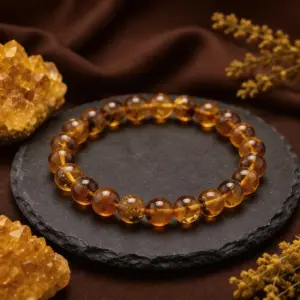
Amber is a beautiful organic gemstone formed from fossilized tree resin over millions of years. Known for its warm golden-yellow, honey, orange, cognac and reddish-brown shades, Amber is admired for its natural warmth, lightweight feel and fascinating inclusions. Tiny plant fragments, bubbles and ancient insect inclusions may sometimes be preserved inside the stone, making each piece unique.
Amber is widely used in gemstone jewellery, pendants, beads and decorative accessories. Its distinctive colour and natural character make it a popular choice for people who appreciate organic gemstones with a rich, timeless appearance.
[/TG_INTRO]
[TG_ORIGIN]
Amber is found in several regions around the world. Important sources include the Baltic region, particularly areas around Poland and Lithuania, as well as the Dominican Republic, Mexico and Myanmar. Different deposits can produce Amber with distinctive colours, transparency and inclusions.
**Gemstone Type:** Organic gemstone (fossilized tree resin)
**Composition:** Primarily fossilized resin with a complex mixture of organic compounds
**Common Colours:** Yellow, honey, golden, orange, cognac, reddish-brown and occasionally greenish or blue-toned varieties
**Hardness:** Approximately 2–2.5 on the Mohs scale
**Appearance:** Transparent to opaque, sometimes containing natural inclusions
Amber is relatively soft compared with most mineral gemstones, so it requires gentle handling and suitable jewellery settings.
[/TG_ORIGIN]
[TG_PROPERTIES]
Amber is appreciated for its warm colours, organic origin and individual character. Its appearance varies according to the source, age, transparency and natural inclusions.
**Warm Natural Colours:** Amber’s golden, honey and cognac shades complement both traditional and contemporary jewellery.
**Unique Inclusions:** Some specimens contain plant material, air bubbles or ancient insect inclusions. These features vary naturally and can help make individual pieces distinctive.
**Lightweight Feel:** Amber is generally lighter than many mineral gemstones, making it comfortable for many jewellery designs.
**Organic Origin:** Unlike crystals formed through mineral processes, Amber originates from ancient tree resin that gradually fossilized over geological time.
**Soft and Delicate:** Amber can scratch or become damaged more easily than harder gemstones, so careful storage and cleaning are important.
[/TG_PROPERTIES]
[TG_WHY_BUY]
Warm golden, honey and cognac colours
Distinctive organic gemstone with a natural history
Lightweight and comfortable for many jewellery styles
Unique natural inclusions in selected specimens
Suitable for pendants, beads and statement jewellery
A versatile appearance for traditional and modern designs
An interesting addition to an organic gemstone collection
Each natural piece can have its own colour and character
[/TG_WHY_BUY]
[TG_PRICE]
The price of Amber depends on several factors, including whether it is natural, treated, pressed or imitation material.
**Colour and Transparency:** Attractive colour, clarity and visual appeal can influence value.
**Inclusions:** Some inclusions can increase collector interest, depending on their authenticity, rarity and presentation.
**Origin:** Amber from different regions may have different market demand and characteristics.
**Size and Weight:** Larger pieces with desirable appearance may command higher prices.
**Processing and Craftsmanship:** Cutting, polishing, bead quality and jewellery design affect the final price.
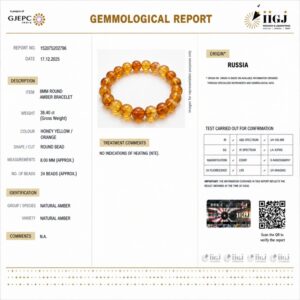
**Authenticity:** Natural Amber, pressed Amber, reconstructed material, copal (younger resin) and plastic imitations are different materials. Ask for clear product details and any available testing or documentation before purchasing.
Prices vary according to quality, authenticity, treatment and market availability.
[/TG_PRICE]
[TG_CARE]
Amber is softer and more sensitive than most mineral gemstones. Follow these care recommendations to help protect its appearance.
**Avoid Chemicals:** Keep Amber away from perfumes, hairspray, household cleaners, solvents and other harsh chemicals.
**Protect from Heat:** Avoid high temperatures, open flames and sudden temperature changes, which may damage or discolour Amber.
**Clean Gently:** Wipe with a soft, dry or slightly damp cloth. Avoid ultrasonic cleaners, steam cleaning and abrasive materials.
**Store Separately:** Keep Amber away from harder gemstones and jewellery that could scratch its surface.
**Wear Carefully:** Remove Amber jewellery before swimming, bathing, exercising or doing household work.
**Avoid Prolonged Sun Exposure:** Extended exposure to strong sunlight may affect its appearance over time.
[/TG_CARE]
[TG_FAQ question=”What is Amber gemstone?”]
Amber is an organic gemstone formed from fossilized tree resin over millions of years. It is known for its warm golden, honey, orange and brown colours and may contain natural inclusions.
[/TG_FAQ]
[TG_FAQ question=”Is Amber a real gemstone?”]
Yes. Natural Amber is recognised as an organic gemstone, although it is not a mineral crystal. The market also contains pressed Amber, copal, plastic imitations and other materials, so authenticity matters.
[/TG_FAQ]
[TG_FAQ question=”Where does Amber come from?”]
Important sources include the Baltic region, the Dominican Republic, Mexico and Myanmar. Amber from different locations can vary in colour, transparency and inclusions.
[/TG_FAQ]
[TG_FAQ question=”What is the hardness of Amber?”]
Amber generally measures around 2–2.5 on the Mohs hardness scale. It is relatively soft and can scratch, chip or become damaged if handled roughly.
[/TG_FAQ]
[TG_FAQ question=”How should I clean Amber jewellery?”]
Gently wipe Amber with a soft cloth, using a little water if needed. Avoid harsh chemicals, ultrasonic cleaners, steam cleaning and abrasive products.
[/TG_FAQ]
[TG_FAQ question=”Does Amber contain insects?”]
Some Amber specimens preserve ancient insects or plant fragments, but most pieces do not contain insects. Inclusions should be assessed carefully because imitations can also contain artificial inclusions.
[/TG_FAQ]
[TG_FAQ question=”Is Amber suitable for everyday wear?”]
Amber can be worn regularly with care, but its softness makes it more vulnerable to scratches and damage than harder gemstones. Protective settings and careful handling are recommended.
[/TG_FAQ]
[TG_FAQ question=”How can I identify genuine Amber?”]
Appearance alone cannot reliably confirm authenticity. Some imitation materials look very similar to natural Amber. For valuable pieces, seek a reputable seller and suitable gemological testing or documentation.
[/TG_FAQ]
Showing the single result
Amber
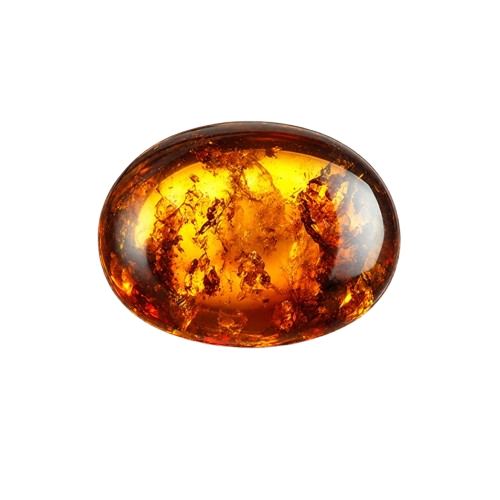
Amber is a beautiful organic gemstone formed from fossilized tree resin over millions of years. Known for its warm golden-yellow, honey, orange, cognac and reddish-brown shades, Amber is admired for its natural warmth, lightweight feel and fascinating inclusions. Tiny plant fragments, bubbles and ancient insect inclusions may sometimes be preserved inside the stone, making each piece unique.
Amber is widely used in gemstone jewellery, pendants, beads and decorative accessories. Its distinctive colour and natural character make it a popular choice for people who appreciate organic gemstones with a rich, timeless appearance.
Amber Origin
Amber is found in several regions around the world. Important sources include the Baltic region, particularly areas around Poland and Lithuania, as well as the Dominican Republic, Mexico and Myanmar. Different deposits can produce Amber with distinctive colours, transparency and inclusions.
**Gemstone Type:** Organic gemstone (fossilized tree resin)
**Composition:** Primarily fossilized resin with a complex mixture of organic compounds
**Common Colours:** Yellow, honey, golden, orange, cognac, reddish-brown and occasionally greenish or blue-toned varieties
**Hardness:** Approximately 2–2.5 on the Mohs scale
**Appearance:** Transparent to opaque, sometimes containing natural inclusions
Amber is relatively soft compared with most mineral gemstones, so it requires gentle handling and suitable jewellery settings.
Amber Properties
Amber is appreciated for its warm colours, organic origin and individual character. Its appearance varies according to the source, age, transparency and natural inclusions.
**Warm Natural Colours:** Amber's golden, honey and cognac shades complement both traditional and contemporary jewellery.
**Unique Inclusions:** Some specimens contain plant material, air bubbles or ancient insect inclusions. These features vary naturally and can help make individual pieces distinctive.
**Lightweight Feel:** Amber is generally lighter than many mineral gemstones, making it comfortable for many jewellery designs.
**Organic Origin:** Unlike crystals formed through mineral processes, Amber originates from ancient tree resin that gradually fossilized over geological time.
**Soft and Delicate:** Amber can scratch or become damaged more easily than harder gemstones, so careful storage and cleaning are important.
Why Buy Amber from Tanishq Gems
What Decides Amber Price
The price of Amber depends on several factors, including whether it is natural, treated, pressed or imitation material.
**Colour and Transparency:** Attractive colour, clarity and visual appeal can influence value.
**Inclusions:** Some inclusions can increase collector interest, depending on their authenticity, rarity and presentation.
**Origin:** Amber from different regions may have different market demand and characteristics.
**Size and Weight:** Larger pieces with desirable appearance may command higher prices.
**Processing and Craftsmanship:** Cutting, polishing, bead quality and jewellery design affect the final price.
**Authenticity:** Natural Amber, pressed Amber, reconstructed material, copal (younger resin) and plastic imitations are different materials. Ask for clear product details and any available testing or documentation before purchasing.
Prices vary according to quality, authenticity, treatment and market availability.
How to Care for Amber
Amber is softer and more sensitive than most mineral gemstones. Follow these care recommendations to help protect its appearance.
**Avoid Chemicals:** Keep Amber away from perfumes, hairspray, household cleaners, solvents and other harsh chemicals.
**Protect from Heat:** Avoid high temperatures, open flames and sudden temperature changes, which may damage or discolour Amber.
**Clean Gently:** Wipe with a soft, dry or slightly damp cloth. Avoid ultrasonic cleaners, steam cleaning and abrasive materials.
**Store Separately:** Keep Amber away from harder gemstones and jewellery that could scratch its surface.
**Wear Carefully:** Remove Amber jewellery before swimming, bathing, exercising or doing household work.
**Avoid Prolonged Sun Exposure:** Extended exposure to strong sunlight may affect its appearance over time.
Amber FAQs
Answers to common customer questions
What is Amber gemstone?
Amber is an organic gemstone formed from fossilized tree resin over millions of years. It is known for its warm golden, honey, orange and brown colours and may contain natural inclusions.
Is Amber a real gemstone?
Yes. Natural Amber is recognised as an organic gemstone, although it is not a mineral crystal. The market also contains pressed Amber, copal, plastic imitations and other materials, so authenticity matters.
Where does Amber come from?
Important sources include the Baltic region, the Dominican Republic, Mexico and Myanmar. Amber from different locations can vary in colour, transparency and inclusions.
What is the hardness of Amber?
Amber generally measures around 2–2.5 on the Mohs hardness scale. It is relatively soft and can scratch, chip or become damaged if handled roughly.
How should I clean Amber jewellery?
Gently wipe Amber with a soft cloth, using a little water if needed. Avoid harsh chemicals, ultrasonic cleaners, steam cleaning and abrasive products.
Does Amber contain insects?
Some Amber specimens preserve ancient insects or plant fragments, but most pieces do not contain insects. Inclusions should be assessed carefully because imitations can also contain artificial inclusions.
Is Amber suitable for everyday wear?
Amber can be worn regularly with care, but its softness makes it more vulnerable to scratches and damage than harder gemstones. Protective settings and careful handling are recommended.
How can I identify genuine Amber?
Appearance alone cannot reliably confirm authenticity. Some imitation materials look very similar to natural Amber. For valuable pieces, seek a reputable seller and suitable gemological testing or documentation.