Garnet
[TG_GEMSTONE]
[TG_INTRO]
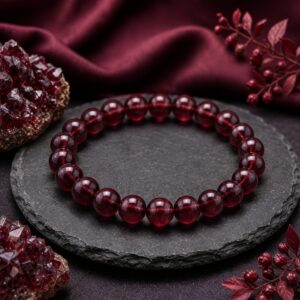
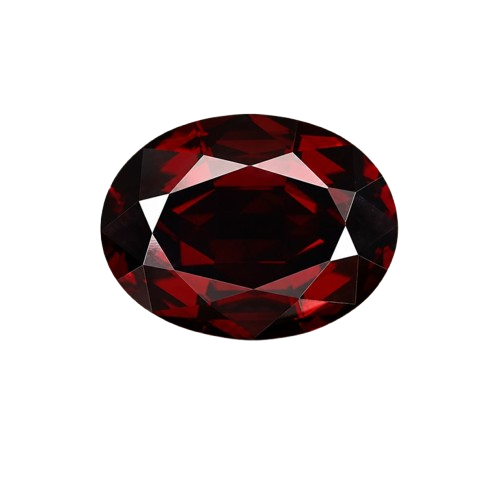
Discover the rich colours and timeless appeal of Garnet at Tanishq Gems. Best known for its deep red shades, Garnet is a gemstone family that also occurs in beautiful green, orange, pink, purple, and other colours. Its natural brilliance and variety make it a popular choice for jewellery lovers and gemstone collectors.
Garnet is suitable for a wide range of jewellery styles, including rings, pendants, earrings, bracelets, and statement pieces. From classic wine-red stones to vibrant green varieties, each type has its own distinctive appearance. Whether you are looking for a gemstone to complement your personal style or to add to your collection, explore the Garnet range at Tanishq Gems.
[/TG_INTRO]
[TG_ORIGIN]
Garnets are found in many parts of the world, including India, Sri Lanka, Mozambique, Tanzania, Madagascar, Brazil, and other gemstone-producing regions. The origin depends on the particular garnet species and colour variety.
Common red Garnets include varieties of Almandine and Pyrope, while green Garnets may include Tsavorite and Demantoid. Spessartine is known for its orange hues, and Grossular Garnet occurs in a range of colours. Because Garnet is a gemstone group rather than a single mineral species, colour, composition, origin, and appearance can vary significantly between stones.
[/TG_ORIGIN]
[TG_PROPERTIES]
Gemstone Name: Garnet
Mineral Group: Garnet group
Common Varieties: Almandine, Pyrope, Spessartine, Grossular, Andradite, and Uvarovite
Common Colours: Red, Wine Red, Orange, Green, Pink, Purple, Brown, and other shades
Chemical Composition: Varies by garnet species
Transparency: Transparent to opaque, depending on the variety and specimen
Lustre: Vitreous to resinous
Mohs Hardness: Generally approximately 6.5–7.5, depending on the species
Crystal System: Isometric or cubic
Common Cuts: Round, Oval, Cushion, Pear, Emerald, and other faceted cuts
Common Uses: Rings, pendants, earrings, bracelets, and gemstone collections
Natural Characteristics: Colour, inclusions, transparency, and brilliance vary by species and individual stone
Treatment: Many Garnets are sold without routine colour-enhancement treatment, but treatment status should be confirmed for the specific gemstone when relevant.
Important Note: Garnet is a group of related minerals. Its exact physical properties depend on the variety, so not every Garnet has identical characteristics.
[/TG_PROPERTIES]
[TG_WHY_BUY]
Available in a wide range of colours, from classic red to vibrant green and orange
Natural brilliance and attractive light reflection
Different Garnet varieties offer distinctive colours and appearances
Versatile choice for rings, pendants, earrings, and customised jewellery
A popular gemstone for collectors and jewellery enthusiasts
Suitable for a variety of traditional and contemporary jewellery designs
Offers options across different styles, sizes, and quality grades
[/TG_WHY_BUY]
[TG_PRICE]
The price of Garnet depends on its variety, colour, clarity, cut, carat weight, transparency, origin, and overall quality. Common red Garnets are often more accessible, while certain rare varieties, such as fine Demantoid or Tsavorite, can command significantly higher prices.
A well-cut stone with attractive colour and good transparency may be more desirable than a similar-sized stone with less appealing colour or visible inclusions. The value of a Garnet should therefore be assessed by considering its specific variety and characteristics rather than carat weight alone.
For current prices and product-specific specifications, explore the Garnet collection at Tanishq Gems.
[/TG_PRICE]
[TG_CARE]
Clean Garnet gently with lukewarm water, mild soap, and a soft brush or cloth. Rinse thoroughly and dry with a soft, lint-free cloth.
Avoid harsh chemicals, abrasive cleaners, and sudden temperature changes. Although many Garnets are suitable for jewellery, some varieties may be more vulnerable to chipping or damage from hard impacts.
Store Garnet jewellery separately from other gemstones to help prevent scratches. Remove rings and bracelets before strenuous activities or work that could expose the stone to knocks.
Avoid ultrasonic or steam cleaning if the gemstone has significant fractures, inclusions that affect durability, or an uncertain treatment history. When in doubt, consult a qualified jeweller.
[/TG_CARE]
[TG_FAQ question=”What is Garnet?”]
Garnet is a group of related minerals found in a variety of colours. Red is the best-known colour, but Garnets can also be green, orange, pink, purple, brown, and other shades. They are commonly used in jewellery and gemstone collections.
[/TG_FAQ]
[TG_FAQ question=”Does Garnet come only in red?”]
No. Garnet occurs in many colours. Red varieties include Almandine and Pyrope, green varieties include Tsavorite and Demantoid, and Spessartine is known for its orange colour. The exact colour depends on the Garnet species and its composition.
[/TG_FAQ]
[TG_FAQ question=”Where are Garnet gemstones found?”]
Garnets are found in countries including India, Sri Lanka, Mozambique, Tanzania, Madagascar, and Brazil. The source varies by species and colour variety.
[/TG_FAQ]
[TG_FAQ question=”How much does Garnet cost?”]
Garnet prices depend on the variety, colour, clarity, cut, carat weight, origin, and quality. Common red varieties may be relatively affordable, while rare and highly desirable green Garnets can be considerably more expensive.
[/TG_FAQ]
[TG_FAQ question=”Is Garnet suitable for everyday jewellery?”]
Many Garnets are suitable for regular jewellery use, but durability varies by species and individual stone. Protective settings and careful handling are recommended, especially for rings exposed to frequent impacts.
[/TG_FAQ]
[TG_FAQ question=”How do I clean a Garnet gemstone?”]
Use lukewarm water, mild soap, and a soft brush or cloth. Avoid harsh chemicals and abrasive cleaners. Consult a gemstone professional before using ultrasonic or steam cleaning, particularly if the stone has fractures or an uncertain treatment history.
[/TG_FAQ]
[TG_FAQ question=”Is Garnet a natural gemstone?”]
Yes. Garnets occur naturally and are mined in many parts of the world. As with any gemstone, the identity and treatment status of an individual stone should be confirmed through reliable product information or gemmological testing when necessary.
[/TG_FAQ]
[TG_FAQ question=”Does Garnet have spiritual or astrological benefits?”]
Some traditions associate Garnet with vitality, confidence, commitment, or positive energy. These are traditional spiritual beliefs and are not scientifically established effects. Anyone considering a gemstone for astrological purposes may wish to consult a trusted practitioner.
[/TG_FAQ]

Showing the single result
Garnet
Discover the rich colours and timeless appeal of Garnet at Tanishq Gems. Best known for its deep red shades, Garnet is a gemstone family that also occurs in beautiful green, orange, pink, purple, and other colours. Its natural brilliance and variety make it a popular choice for jewellery lovers and gemstone collectors.
Garnet is suitable for a wide range of jewellery styles, including rings, pendants, earrings, bracelets, and statement pieces. From classic wine-red stones to vibrant green varieties, each type has its own distinctive appearance. Whether you are looking for a gemstone to complement your personal style or to add to your collection, explore the Garnet range at Tanishq Gems.
Garnet Origin
Garnets are found in many parts of the world, including India, Sri Lanka, Mozambique, Tanzania, Madagascar, Brazil, and other gemstone-producing regions. The origin depends on the particular garnet species and colour variety.
Common red Garnets include varieties of Almandine and Pyrope, while green Garnets may include Tsavorite and Demantoid. Spessartine is known for its orange hues, and Grossular Garnet occurs in a range of colours. Because Garnet is a gemstone group rather than a single mineral species, colour, composition, origin, and appearance can vary significantly between stones.
Garnet Properties
Gemstone Name: Garnet
Mineral Group: Garnet group
Common Varieties: Almandine, Pyrope, Spessartine, Grossular, Andradite, and Uvarovite
Common Colours: Red, Wine Red, Orange, Green, Pink, Purple, Brown, and other shades
Chemical Composition: Varies by garnet species
Transparency: Transparent to opaque, depending on the variety and specimen
Lustre: Vitreous to resinous
Mohs Hardness: Generally approximately 6.5–7.5, depending on the species
Crystal System: Isometric or cubic
Common Cuts: Round, Oval, Cushion, Pear, Emerald, and other faceted cuts
Common Uses: Rings, pendants, earrings, bracelets, and gemstone collections
Natural Characteristics: Colour, inclusions, transparency, and brilliance vary by species and individual stone
Treatment: Many Garnets are sold without routine colour-enhancement treatment, but treatment status should be confirmed for the specific gemstone when relevant.
Important Note: Garnet is a group of related minerals. Its exact physical properties depend on the variety, so not every Garnet has identical characteristics.
Why Buy Garnet from Tanishq Gems
What Decides Garnet Price
The price of Garnet depends on its variety, colour, clarity, cut, carat weight, transparency, origin, and overall quality. Common red Garnets are often more accessible, while certain rare varieties, such as fine Demantoid or Tsavorite, can command significantly higher prices.
A well-cut stone with attractive colour and good transparency may be more desirable than a similar-sized stone with less appealing colour or visible inclusions. The value of a Garnet should therefore be assessed by considering its specific variety and characteristics rather than carat weight alone.
For current prices and product-specific specifications, explore the Garnet collection at Tanishq Gems.
How to Care for Garnet
Clean Garnet gently with lukewarm water, mild soap, and a soft brush or cloth. Rinse thoroughly and dry with a soft, lint-free cloth.
Avoid harsh chemicals, abrasive cleaners, and sudden temperature changes. Although many Garnets are suitable for jewellery, some varieties may be more vulnerable to chipping or damage from hard impacts.
Store Garnet jewellery separately from other gemstones to help prevent scratches. Remove rings and bracelets before strenuous activities or work that could expose the stone to knocks.
Avoid ultrasonic or steam cleaning if the gemstone has significant fractures, inclusions that affect durability, or an uncertain treatment history. When in doubt, consult a qualified jeweller.
Garnet FAQs
Answers to common customer questions
What is Garnet?
Garnet is a group of related minerals found in a variety of colours. Red is the best-known colour, but Garnets can also be green, orange, pink, purple, brown, and other shades. They are commonly used in jewellery and gemstone collections.
Does Garnet come only in red?
No. Garnet occurs in many colours. Red varieties include Almandine and Pyrope, green varieties include Tsavorite and Demantoid, and Spessartine is known for its orange colour. The exact colour depends on the Garnet species and its composition.
Where are Garnet gemstones found?
Garnets are found in countries including India, Sri Lanka, Mozambique, Tanzania, Madagascar, and Brazil. The source varies by species and colour variety.
How much does Garnet cost?
Garnet prices depend on the variety, colour, clarity, cut, carat weight, origin, and quality. Common red varieties may be relatively affordable, while rare and highly desirable green Garnets can be considerably more expensive.
Is Garnet suitable for everyday jewellery?
Many Garnets are suitable for regular jewellery use, but durability varies by species and individual stone. Protective settings and careful handling are recommended, especially for rings exposed to frequent impacts.
How do I clean a Garnet gemstone?
Use lukewarm water, mild soap, and a soft brush or cloth. Avoid harsh chemicals and abrasive cleaners. Consult a gemstone professional before using ultrasonic or steam cleaning, particularly if the stone has fractures or an uncertain treatment history.
Is Garnet a natural gemstone?
Yes. Garnets occur naturally and are mined in many parts of the world. As with any gemstone, the identity and treatment status of an individual stone should be confirmed through reliable product information or gemmological testing when necessary.
Does Garnet have spiritual or astrological benefits?
Some traditions associate Garnet with vitality, confidence, commitment, or positive energy. These are traditional spiritual beliefs and are not scientifically established effects. Anyone considering a gemstone for astrological purposes may wish to consult a trusted practitioner.