Turquoise (Feroza)
[TG_GEMSTONE]
[TG_INTRO]
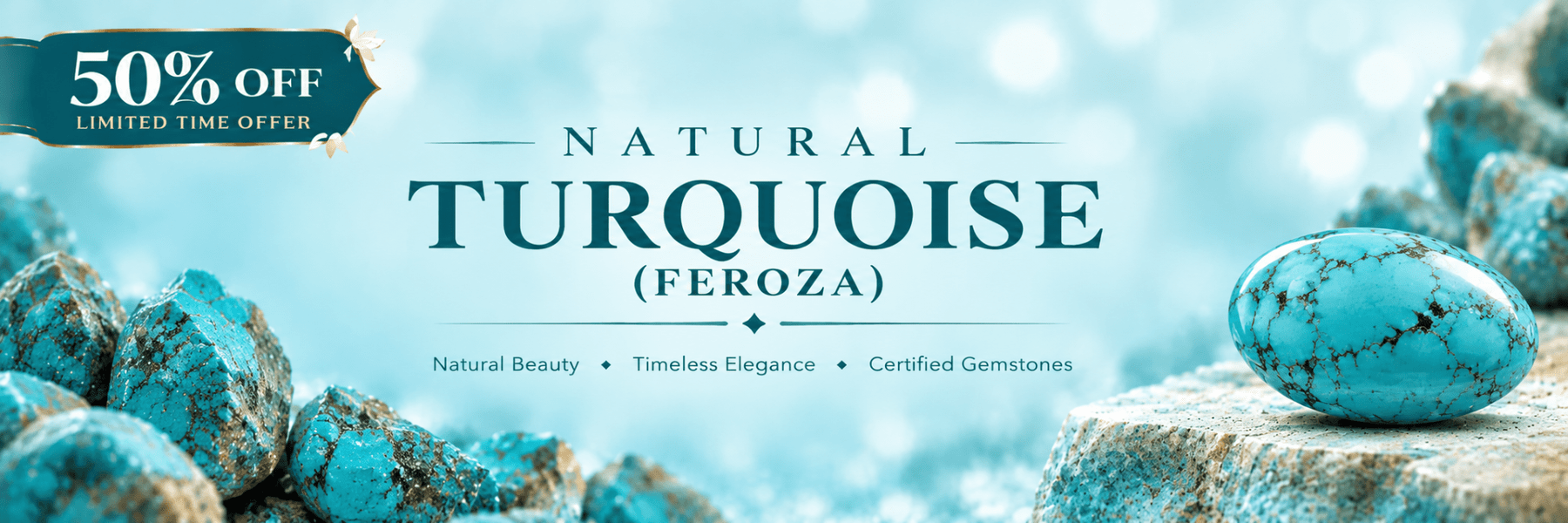
Turquoise, traditionally known as Feroza, is a beautiful gemstone admired for its distinctive blue, sky-blue, and blue-green colours. Its unique appearance, sometimes featuring natural brown or black veins known as matrix, gives each stone an individual character. Turquoise has been treasured across many cultures for centuries and is popular in rings, pendants, bracelets, beads, and traditional gemstone jewellery. At Tanishq Gems, explore Turquoise for its natural beauty, attractive colour, and timeless appeal.
[/TG_INTRO]
[TG_ORIGIN]
Turquoise has been mined in several regions around the world, including Iran, the United States, China, Egypt, and parts of Central Asia. Persian Turquoise is historically renowned for its rich blue colour, while American deposits are known for producing a range of blue and green stones, sometimes with distinctive matrix patterns. The colour, texture, and appearance of Turquoise vary according to its geological origin and individual mineral composition.
[/TG_ORIGIN]
[TG_PROPERTIES]
Gemstone Name: Turquoise
Traditional Name: Feroza
Mineral Classification: Hydrated copper and aluminium phosphate
Chemical Formula: CuAl₆(PO₄)₄(OH)₈·4H₂O
Colour: Sky Blue, Robin’s-Egg Blue, Blue-Green, and Greenish Blue
Crystal System: Triclinic
Mohs Hardness: Approximately 5–6
Lustre: Waxy to subvitreous
Transparency: Generally opaque
Common Appearance: Solid colour or natural matrix patterns in brown, black, or other earthy shades
Common Uses: Rings, pendants, bracelets, beads, traditional jewellery, and gemstone collections
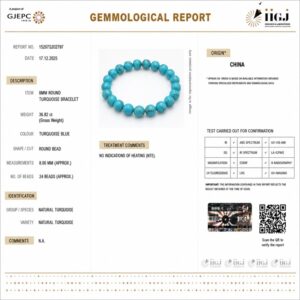
Natural Characteristics: Colour variations, veins, matrix patterns, and surface texture can occur naturally. Some Turquoise is treated or stabilised to improve durability or appearance, so product-specific treatment information is important.
[/TG_PROPERTIES]
[TG_WHY_BUY]
Beautiful blue and blue-green colours that stand out in jewellery
A distinctive appearance with or without natural matrix patterns
A gemstone with a rich cultural and historical heritage
Suitable for pendants, bracelets, beads, and statement jewellery
Each stone can feature its own unique colour and pattern
A popular choice for traditional gemstone jewellery and collections
Traditionally associated with protection, good fortune, and positive energy in some cultures
[/TG_WHY_BUY]
[TG_PRICE]
The price of Turquoise depends on its colour, colour consistency, matrix pattern, quality, origin, size, and treatment status. Even blue colour, attractive natural patterns, and good-quality material can influence value. Natural untreated Turquoise may be priced differently from stabilised or colour-treated stones. Imitations and reconstructed materials are also available in the market, so buyers should review product details and available gem identification documentation before purchasing.
[/TG_PRICE]
[TG_CARE]
Turquoise is relatively soft and porous compared with many other gemstones, so it requires gentle care. Clean it with a soft, slightly damp cloth and avoid soaking it in water. Keep it away from perfumes, cosmetics, household cleaners, oils, and other harsh chemicals. Avoid ultrasonic cleaners, steam cleaning, prolonged sunlight, and extreme temperatures. Store it separately in a soft pouch to prevent scratches and protect its colour and surface.
[/TG_CARE]
[TG_FAQ question=”What is Turquoise (Feroza) gemstone?”]
Turquoise is an opaque blue to greenish-blue mineral traditionally used in jewellery and decorative objects. Feroza is the name commonly used for Turquoise in South Asian gemstone markets.
[/TG_FAQ]
[TG_FAQ question=”What colours does Turquoise come in?”]
Turquoise commonly occurs in sky blue, bright blue, blue-green, and greenish-blue shades. Some stones have brown or black matrix patterns that create a distinctive natural appearance.
[/TG_FAQ]
[TG_FAQ question=”Is Turquoise a natural gemstone?”]
Natural Turquoise occurs in nature, but commercial products may also be stabilised, dyed, reconstructed, or imitated. Check the product listing for details about the material and any known treatments.
[/TG_FAQ]
[TG_FAQ question=”What is the hardness of Turquoise?”]
Turquoise typically measures around 5–6 on the Mohs hardness scale. It can scratch or become damaged more easily than harder gemstones, so careful handling is recommended.
[/TG_FAQ]
[TG_FAQ question=”How should I clean and care for Feroza?”]
Wipe Turquoise gently with a soft, slightly damp cloth. Avoid soaking it, using harsh chemicals, or exposing it to steam, ultrasonic cleaning, or extreme heat.
[/TG_FAQ]
[TG_FAQ question=”What affects the price of Turquoise?”]
Its price depends on colour, consistency, matrix pattern, quality, origin, size, and whether it has been treated or stabilised. Natural appearance and material quality can significantly influence value.
[/TG_FAQ]
[TG_FAQ question=”What is Feroza traditionally believed to represent?”]
In some cultural and traditional gemstone practices, Feroza is associated with protection, good fortune, confidence, and positive energy. These are traditional beliefs and are not scientifically established effects.
[/TG_FAQ]
[TG_FAQ question=”Can Turquoise be worn every day?”]
Turquoise can be worn regularly with proper care, especially in protective jewellery settings. Remove it before swimming, bathing, exercising, or using cleaning products, and protect it from impacts, scratches, and chemicals.
[/TG_FAQ]
Showing the single result
-
 ✦ SALE Add to cartTurquoise BraceletTurquoise (Feroza)Original price was: ₹1,400.00.₹700.00Current price is: ₹700.00.
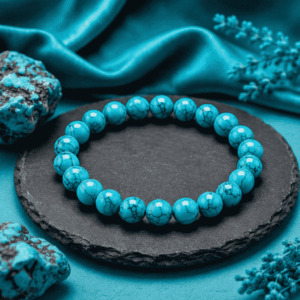
Turquoise Bracelet
Turquoise (Feroza) Original price was: ₹1,400.00.₹700.00Current price is: ₹700.00.
Turquoise (Feroza)
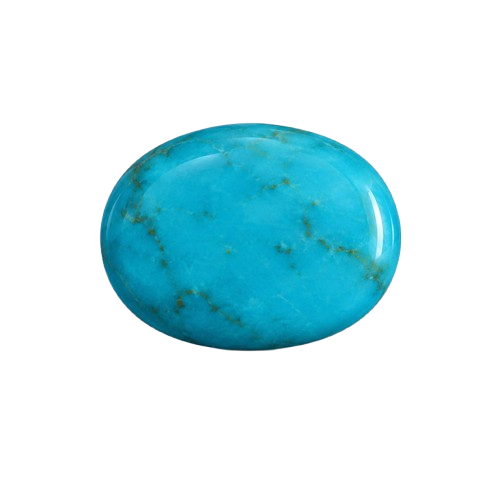
Turquoise, traditionally known as Feroza, is a beautiful gemstone admired for its distinctive blue, sky-blue, and blue-green colours. Its unique appearance, sometimes featuring natural brown or black veins known as matrix, gives each stone an individual character. Turquoise has been treasured across many cultures for centuries and is popular in rings, pendants, bracelets, beads, and traditional gemstone jewellery. At Tanishq Gems, explore Turquoise for its natural beauty, attractive colour, and timeless appeal.
Turquoise (Feroza) Origin
Turquoise has been mined in several regions around the world, including Iran, the United States, China, Egypt, and parts of Central Asia. Persian Turquoise is historically renowned for its rich blue colour, while American deposits are known for producing a range of blue and green stones, sometimes with distinctive matrix patterns. The colour, texture, and appearance of Turquoise vary according to its geological origin and individual mineral composition.
Turquoise (Feroza) Properties
Gemstone Name: Turquoise
Traditional Name: Feroza
Mineral Classification: Hydrated copper and aluminium phosphate
Chemical Formula: CuAl₆(PO₄)₄(OH)₈·4H₂O
Colour: Sky Blue, Robin's-Egg Blue, Blue-Green, and Greenish Blue
Crystal System: Triclinic
Mohs Hardness: Approximately 5–6
Lustre: Waxy to subvitreous
Transparency: Generally opaque
Common Appearance: Solid colour or natural matrix patterns in brown, black, or other earthy shades
Common Uses: Rings, pendants, bracelets, beads, traditional jewellery, and gemstone collections
Natural Characteristics: Colour variations, veins, matrix patterns, and surface texture can occur naturally. Some Turquoise is treated or stabilised to improve durability or appearance, so product-specific treatment information is important.
Why Buy Turquoise (Feroza) from Tanishq Gems
What Decides Turquoise (Feroza) Price
The price of Turquoise depends on its colour, colour consistency, matrix pattern, quality, origin, size, and treatment status. Even blue colour, attractive natural patterns, and good-quality material can influence value. Natural untreated Turquoise may be priced differently from stabilised or colour-treated stones. Imitations and reconstructed materials are also available in the market, so buyers should review product details and available gem identification documentation before purchasing.
How to Care for Turquoise (Feroza)
Turquoise is relatively soft and porous compared with many other gemstones, so it requires gentle care. Clean it with a soft, slightly damp cloth and avoid soaking it in water. Keep it away from perfumes, cosmetics, household cleaners, oils, and other harsh chemicals. Avoid ultrasonic cleaners, steam cleaning, prolonged sunlight, and extreme temperatures. Store it separately in a soft pouch to prevent scratches and protect its colour and surface.
Turquoise (Feroza) FAQs
Answers to common customer questions
What is Turquoise (Feroza) gemstone?
Turquoise is an opaque blue to greenish-blue mineral traditionally used in jewellery and decorative objects. Feroza is the name commonly used for Turquoise in South Asian gemstone markets.
What colours does Turquoise come in?
Turquoise commonly occurs in sky blue, bright blue, blue-green, and greenish-blue shades. Some stones have brown or black matrix patterns that create a distinctive natural appearance.
Is Turquoise a natural gemstone?
Natural Turquoise occurs in nature, but commercial products may also be stabilised, dyed, reconstructed, or imitated. Check the product listing for details about the material and any known treatments.
What is the hardness of Turquoise?
Turquoise typically measures around 5–6 on the Mohs hardness scale. It can scratch or become damaged more easily than harder gemstones, so careful handling is recommended.
How should I clean and care for Feroza?
Wipe Turquoise gently with a soft, slightly damp cloth. Avoid soaking it, using harsh chemicals, or exposing it to steam, ultrasonic cleaning, or extreme heat.
What affects the price of Turquoise?
Its price depends on colour, consistency, matrix pattern, quality, origin, size, and whether it has been treated or stabilised. Natural appearance and material quality can significantly influence value.
What is Feroza traditionally believed to represent?
In some cultural and traditional gemstone practices, Feroza is associated with protection, good fortune, confidence, and positive energy. These are traditional beliefs and are not scientifically established effects.
Can Turquoise be worn every day?
Turquoise can be worn regularly with proper care, especially in protective jewellery settings. Remove it before swimming, bathing, exercising, or using cleaning products, and protect it from impacts, scratches, and chemicals.