Pyrite
[TG_GEMSTONE]
[TG_INTRO]
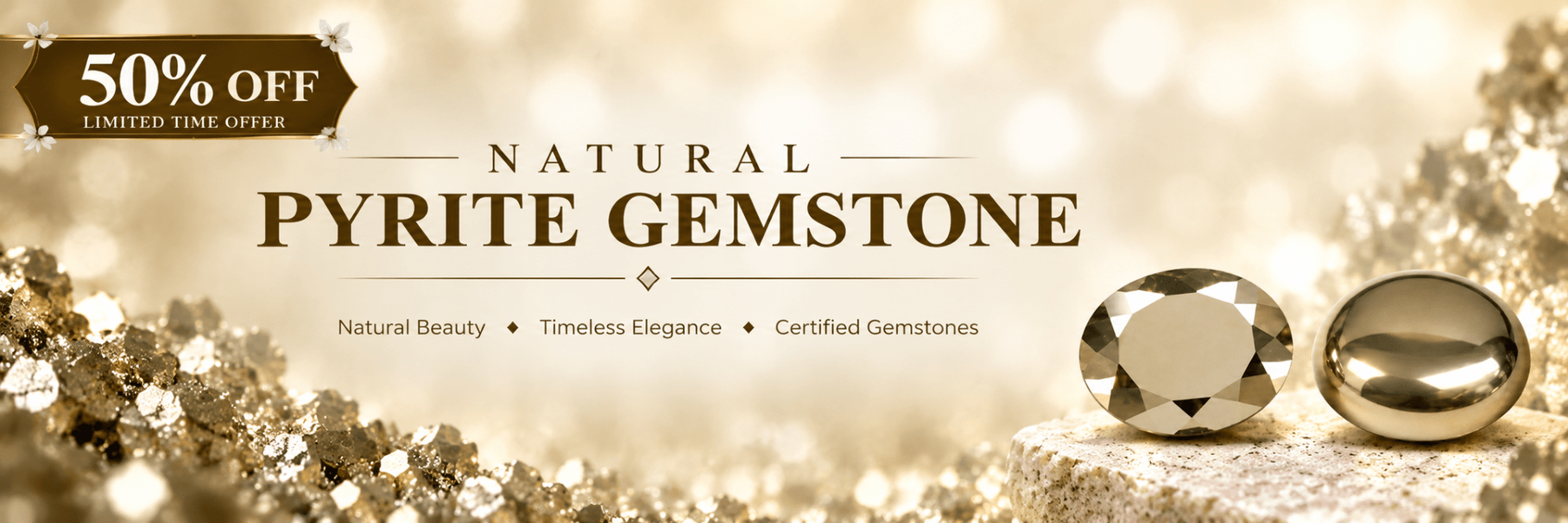
Pyrite, popularly known as Fool’s Gold, is a striking metallic mineral admired for its brilliant golden-yellow colour and natural sparkle. Its name comes from the Greek word *pyr*, meaning fire, because pyrite can produce sparks when struck against hard materials. With its distinctive metallic lustre and eye-catching appearance, pyrite is a popular choice among mineral collectors, gemstone enthusiasts and jewellery lovers. At Tanishq Gems, we help you explore pyrite gemstones and understand their natural characteristics so you can make an informed purchase.
[/TG_INTRO]
[TG_ORIGIN]
Pyrite occurs naturally in many parts of the world and is commonly found in sedimentary rocks, metamorphic rocks and hydrothermal mineral deposits. Notable sources include Peru, Spain, Italy, China and the United States. Its appearance can vary depending on the mineral formation, crystal structure and geological environment.
**Colour:** Brass-yellow to pale golden-yellow
**Lustre:** Metallic and reflective
**Crystal system:** Isometric (cubic)
**Mineral composition:** Iron disulfide (FeS₂)
**Common forms:** Cubic crystals, clusters, massive formations and natural mineral specimens
The origin and appearance of an individual pyrite specimen can vary. Please refer to the specific product listing for available product details.
[/TG_ORIGIN]
[TG_PROPERTIES]
**Distinctive golden appearance:** Pyrite has a metallic yellow colour that resembles gold, giving it the familiar nickname Fool’s Gold.
**Natural metallic lustre:** Its reflective surface creates a bright, attractive appearance under suitable lighting.
**Crystal formations:** Pyrite can develop well-defined cubic crystals, geometric patterns and attractive clustered formations.
**Mineral composition:** Pyrite is an iron sulfide mineral with the chemical formula FeS₂.
**Hardness:** Pyrite typically measures around 6–6.5 on the Mohs hardness scale.
**Jewellery and collecting:** Depending on its form and finish, pyrite is used in mineral collections, decorative pieces and selected jewellery designs.
Pyrite is a distinct mineral and should not be confused with genuine gold. Its suitability for jewellery depends on the specimen, setting and intended use.
[/TG_PROPERTIES]
[TG_WHY_BUY]
Explore distinctive pyrite specimens with attractive metallic colour and natural character.
Get assistance from our team in understanding the appearance, form and available specifications of the product you are considering.
Review product photographs and listed details before purchasing to help select a specimen that suits your preferences.
Shop with Tanishq Gems, a gemstone supplier since 1992, for personalised assistance with gemstone and mineral selections.
Contact our team on WhatsApp for product information, availability and help with your purchase.
[/TG_WHY_BUY]
[TG_PRICE]
The price of pyrite can vary according to several factors:
**Crystal quality:** Well-defined crystals and visually appealing formations may command different prices from ordinary specimens.
**Size and weight:** Larger specimens and heavier pieces may be priced differently depending on their quality and presentation.
**Formation and appearance:** Distinctive cubic crystals, attractive clusters and unusual natural patterns can influence value.
**Finish and workmanship:** Polished pieces, decorative specimens and jewellery-ready materials may have different prices depending on the preparation involved.
**Rarity and presentation:** Unusual formations, specimen quality and overall visual appeal can affect the asking price.
For the most accurate price, check the individual Pyrite product listing on Tanishq Gems or contact our team for current availability.
[/TG_PRICE]
[TG_CARE]
Pyrite requires thoughtful care because prolonged exposure to moisture and unsuitable storage conditions can cause deterioration over time.
**Keep it dry:** Avoid prolonged contact with water, humidity and damp environments.
**Avoid chemicals:** Keep pyrite away from perfumes, detergents, household cleaners and other harsh chemicals.
**Clean gently:** Use a soft, dry cloth or a soft brush to remove surface dust. Avoid aggressive scrubbing.
**Store separately:** Keep your specimen in a dry, well-ventilated place, away from humid conditions and direct contact with other objects that could scratch it.
**Jewellery precautions:** If pyrite is set in jewellery, avoid wearing it while bathing, swimming, exercising or using cleaning products.
**Avoid unverified treatments:** Do not apply oils, acids or chemical coatings unless a qualified specialist confirms they are suitable.
With proper storage and careful handling, you can help preserve the appearance of your pyrite specimen.
[/TG_CARE]
[TG_FAQ question=”What is pyrite, and why is it called Fool’s Gold?”]
Pyrite is a naturally occurring iron sulfide mineral with a metallic brass-yellow appearance. It is called Fool’s Gold because its golden colour can resemble real gold, although the two minerals have different chemical compositions and physical properties.
[/TG_FAQ]
[TG_FAQ question=”Is pyrite real gold?”]
No. Pyrite is not gold. Pyrite is iron disulfide (FeS₂), whereas gold is a metallic chemical element (Au). Their colour may appear similar, but their composition and physical characteristics are different.
[/TG_FAQ]
[TG_FAQ question=”Where is pyrite found naturally?”]
Pyrite is found in many countries, including Peru, Spain, Italy, China and the United States. It occurs in different geological environments and may form cubic crystals, clusters or massive mineral deposits.
[/TG_FAQ]
[TG_FAQ question=”What are the main physical properties of pyrite?”]
Pyrite typically has a brass-yellow colour, metallic lustre, an isometric crystal system and a Mohs hardness of approximately 6–6.5. Its natural form and appearance depend on the conditions in which it formed.
[/TG_FAQ]
[TG_FAQ question=”Can pyrite be worn as jewellery?”]
Yes, pyrite can be used in selected jewellery designs, depending on its form, finish and setting. However, it should be protected from moisture, harsh chemicals and rough handling to help maintain its appearance.
[/TG_FAQ]
[TG_FAQ question=”How should I clean and store pyrite?”]
Clean pyrite gently with a soft, dry cloth or brush. Avoid soaking it in water or exposing it to harsh cleaning agents. Store it in a dry, well-ventilated place to help reduce the risk of moisture-related deterioration.
[/TG_FAQ]
[TG_FAQ question=”Does pyrite have spiritual or prosperity-related benefits?”]
In some spiritual and crystal-belief traditions, pyrite is associated with confidence, motivation, abundance and prosperity. These are traditional beliefs rather than scientifically established effects, and pyrite should not be considered a guaranteed way to attract wealth or achieve specific outcomes.
[/TG_FAQ]
[TG_FAQ question=”How can I buy pyrite from Tanishq Gems?”]
Browse the available Pyrite products on Tanishq Gems and review their photographs, specifications and prices. If you need help selecting a specimen or checking availability, contact our team through the WhatsApp button on this page.
[/TG_FAQ]
Showing the single result
PYRITE (Fool's Gold)
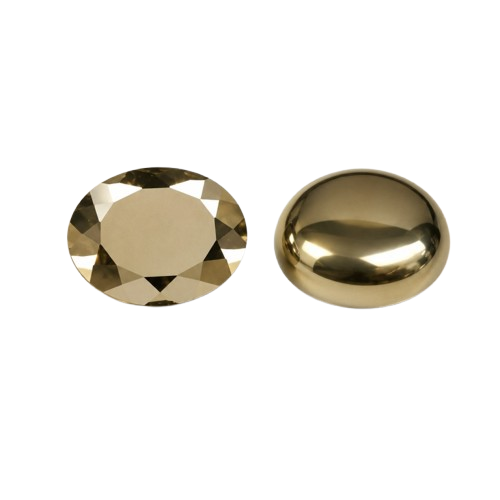
Pyrite, popularly known as Fool's Gold, is a striking metallic mineral admired for its brilliant golden-yellow colour and natural sparkle. Its name comes from the Greek word *pyr*, meaning fire, because pyrite can produce sparks when struck against hard materials. With its distinctive metallic lustre and eye-catching appearance, pyrite is a popular choice among mineral collectors, gemstone enthusiasts and jewellery lovers. At Tanishq Gems, we help you explore pyrite gemstones and understand their natural characteristics so you can make an informed purchase.
Pyrite Origin
Pyrite occurs naturally in many parts of the world and is commonly found in sedimentary rocks, metamorphic rocks and hydrothermal mineral deposits. Notable sources include Peru, Spain, Italy, China and the United States. Its appearance can vary depending on the mineral formation, crystal structure and geological environment.
**Colour:** Brass-yellow to pale golden-yellow
**Lustre:** Metallic and reflective
**Crystal system:** Isometric (cubic)
**Mineral composition:** Iron disulfide (FeS₂)
**Common forms:** Cubic crystals, clusters, massive formations and natural mineral specimens
The origin and appearance of an individual pyrite specimen can vary. Please refer to the specific product listing for available product details.
Pyrite Properties
**Distinctive golden appearance:** Pyrite has a metallic yellow colour that resembles gold, giving it the familiar nickname Fool's Gold.
**Natural metallic lustre:** Its reflective surface creates a bright, attractive appearance under suitable lighting.
**Crystal formations:** Pyrite can develop well-defined cubic crystals, geometric patterns and attractive clustered formations.
**Mineral composition:** Pyrite is an iron sulfide mineral with the chemical formula FeS₂.
**Hardness:** Pyrite typically measures around 6–6.5 on the Mohs hardness scale.
**Jewellery and collecting:** Depending on its form and finish, pyrite is used in mineral collections, decorative pieces and selected jewellery designs.
Pyrite is a distinct mineral and should not be confused with genuine gold. Its suitability for jewellery depends on the specimen, setting and intended use.
Why Buy Pyrite from Tanishq Gems
What Decides Pyrite Price
The price of pyrite can vary according to several factors:
**Crystal quality:** Well-defined crystals and visually appealing formations may command different prices from ordinary specimens.
**Size and weight:** Larger specimens and heavier pieces may be priced differently depending on their quality and presentation.
**Formation and appearance:** Distinctive cubic crystals, attractive clusters and unusual natural patterns can influence value.
**Finish and workmanship:** Polished pieces, decorative specimens and jewellery-ready materials may have different prices depending on the preparation involved.
**Rarity and presentation:** Unusual formations, specimen quality and overall visual appeal can affect the asking price.
For the most accurate price, check the individual Pyrite product listing on Tanishq Gems or contact our team for current availability.
How to Care for Pyrite
Pyrite requires thoughtful care because prolonged exposure to moisture and unsuitable storage conditions can cause deterioration over time.
**Keep it dry:** Avoid prolonged contact with water, humidity and damp environments.
**Avoid chemicals:** Keep pyrite away from perfumes, detergents, household cleaners and other harsh chemicals.
**Clean gently:** Use a soft, dry cloth or a soft brush to remove surface dust. Avoid aggressive scrubbing.
**Store separately:** Keep your specimen in a dry, well-ventilated place, away from humid conditions and direct contact with other objects that could scratch it.
**Jewellery precautions:** If pyrite is set in jewellery, avoid wearing it while bathing, swimming, exercising or using cleaning products.
**Avoid unverified treatments:** Do not apply oils, acids or chemical coatings unless a qualified specialist confirms they are suitable.
With proper storage and careful handling, you can help preserve the appearance of your pyrite specimen.
Pyrite FAQs
Answers to common customer questions
What is pyrite, and why is it called Fool's Gold?
Pyrite is a naturally occurring iron sulfide mineral with a metallic brass-yellow appearance. It is called Fool's Gold because its golden colour can resemble real gold, although the two minerals have different chemical compositions and physical properties.
Is pyrite real gold?
No. Pyrite is not gold. Pyrite is iron disulfide (FeS₂), whereas gold is a metallic chemical element (Au). Their colour may appear similar, but their composition and physical characteristics are different.
Where is pyrite found naturally?
Pyrite is found in many countries, including Peru, Spain, Italy, China and the United States. It occurs in different geological environments and may form cubic crystals, clusters or massive mineral deposits.
What are the main physical properties of pyrite?
Pyrite typically has a brass-yellow colour, metallic lustre, an isometric crystal system and a Mohs hardness of approximately 6–6.5. Its natural form and appearance depend on the conditions in which it formed.
Can pyrite be worn as jewellery?
Yes, pyrite can be used in selected jewellery designs, depending on its form, finish and setting. However, it should be protected from moisture, harsh chemicals and rough handling to help maintain its appearance.
How should I clean and store pyrite?
Clean pyrite gently with a soft, dry cloth or brush. Avoid soaking it in water or exposing it to harsh cleaning agents. Store it in a dry, well-ventilated place to help reduce the risk of moisture-related deterioration.
Does pyrite have spiritual or prosperity-related benefits?
In some spiritual and crystal-belief traditions, pyrite is associated with confidence, motivation, abundance and prosperity. These are traditional beliefs rather than scientifically established effects, and pyrite should not be considered a guaranteed way to attract wealth or achieve specific outcomes.
How can I buy pyrite from Tanishq Gems?
Browse the available Pyrite products on Tanishq Gems and review their photographs, specifications and prices. If you need help selecting a specimen or checking availability, contact our team through the WhatsApp button on this page.