Sunstone
[TG_GEMSTONE]
[TG_INTRO]
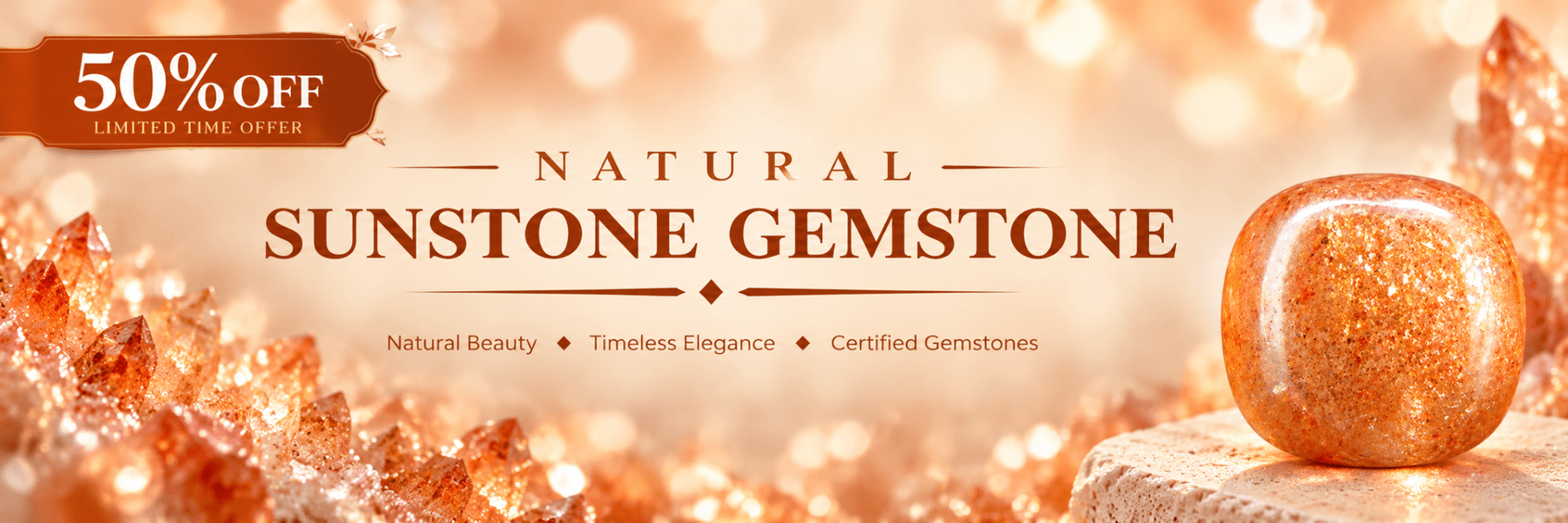
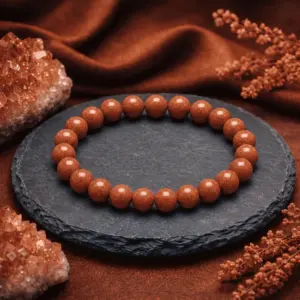
Sunstone is a captivating gemstone admired for its warm orange, golden, peach and reddish hues, often accompanied by a sparkling effect known as aventurescence. This glittering appearance is caused by tiny reflective mineral inclusions within the stone. Sunstone is a popular choice for rings, pendants, earrings, bracelets and decorative gemstone collections. Its sunny colours and natural shimmer give it a distinctive appearance that complements both contemporary and traditional jewellery designs.
[/TG_INTRO]
[TG_ORIGIN]
Sunstone is found in several regions around the world, including India, Norway, Madagascar, Tanzania, Canada and the United States. Oregon in the United States is particularly known for its copper-bearing Sunstone, which can display attractive metallic flashes. Other varieties may contain reflective inclusions of minerals such as hematite or goethite. The gemstone’s colour, transparency and sparkle depend on its mineral composition, inclusions and geological origin.
[/TG_ORIGIN]
[TG_PROPERTIES]
Gemstone Name: Sunstone
Mineral Family: Feldspar
Common Varieties: Oligoclase and labradorite varieties of feldspar
Available Colours: Golden, yellow-orange, peach, orange, reddish-orange, pink and brown
Mohs Hardness: Approximately 6–6.5, depending on the variety
Lustre: Vitreous or glass-like
Transparency: Transparent to opaque
Distinctive Feature: Aventurescence, a glittering effect caused by reflective inclusions
Common Cuts: Oval, round, cushion, pear, cabochon and faceted cuts
Common Uses: Rings, pendants, earrings, bracelets and gemstone collections
Popular Association: Joy, confidence and positivity in traditional crystal beliefs
Care Level: Requires gentle handling because it is softer and may cleave or chip under impact.
[/TG_PROPERTIES]
[TG_WHY_BUY]
Warm golden and orange tones that create a bright, distinctive appearance
Natural sparkling effect in varieties displaying aventurescence
Available in both transparent faceted stones and polished cabochons
Complements gold-toned, silver and contemporary jewellery settings
A distinctive choice for gemstone collectors and jewellery enthusiasts
Makes a thoughtful gift for people who appreciate warm-coloured natural gemstones
[/TG_WHY_BUY]
[TG_PRICE]
The price of Sunstone depends on its colour, transparency, clarity, cut, carat weight and the strength and distribution of its sparkling effect. Stones with attractive colour and a well-balanced glittering appearance may be more desirable. Certain copper-bearing Oregon Sunstones can command higher prices, particularly when they display distinctive colour or optical effects. Compare the stone’s actual appearance, finish and any disclosed treatments, and ask the seller about its origin when that information is important to your purchase.
[/TG_PRICE]
[TG_CARE]
Clean Sunstone with lukewarm water, mild soap and a soft cloth or brush. Rinse gently and dry thoroughly before storing. Avoid harsh chemicals, abrasive cleaners, sudden temperature changes and hard impacts. Feldspar can cleave or chip if struck, so remove Sunstone jewellery before strenuous activities or household cleaning. Avoid ultrasonic and steam cleaners, as they may damage stones with internal fractures or inclusions. Store the gemstone separately from harder jewellery to reduce scratches.
[/TG_CARE]
[TG_FAQ question=”1. What is Sunstone gemstone?”]
Sunstone is a feldspar gemstone known for its warm colours and, in many specimens, a glittering optical effect called aventurescence. It is used in jewellery and mineral collections.
[/TG_FAQ]
[TG_FAQ question=”2. What causes the sparkle in Sunstone?”]
The characteristic sparkle, known as aventurescence, is caused by light reflecting from tiny plate-like mineral inclusions inside the stone. The colour and intensity of the effect vary between specimens.
[/TG_FAQ]
[TG_FAQ question=”3. Where is Sunstone found?”]
Sunstone occurs in locations including India, Norway, Madagascar, Tanzania, Canada and the United States. Oregon is especially known for its copper-bearing variety.
[/TG_FAQ]
[TG_FAQ question=”4. Is Sunstone suitable for everyday jewellery?”]
Sunstone can be worn regularly with care, but its hardness of approximately 6–6.5 and potential cleavage make it more vulnerable to scratches and impacts than harder gemstones. Protective settings can help reduce damage.
[/TG_FAQ]
[TG_FAQ question=”5. What does Sunstone traditionally symbolise?”]
In traditional crystal beliefs, Sunstone is associated with joy, confidence, optimism and positive energy. These are symbolic or spiritual associations rather than scientifically established effects.
[/TG_FAQ]
[TG_FAQ question=”6. How can I identify genuine Sunstone?”]
Sunstone may display natural reflective inclusions and characteristic colour patterns, but appearance alone cannot confirm authenticity or origin. For a valuable purchase, choose a reputable seller and request professional gem identification if necessary.
[/TG_FAQ]
[TG_FAQ question=”7. How should I clean a Sunstone bracelet or ring?”]
Use lukewarm water, mild soap and a soft cloth or brush. Dry it thoroughly and avoid harsh chemicals, ultrasonic cleaners, steam cleaning and hard impacts.
[/TG_FAQ]
[TG_FAQ question=”8. Is Sunstone available in different colours?”]
Yes. Sunstone can occur in golden, yellow-orange, peach, orange, pink, reddish-orange and brown shades. Some specimens are relatively transparent, while others are opaque and display a stronger glittering effect.
[/TG_FAQ]
Showing the single result
Sunstone
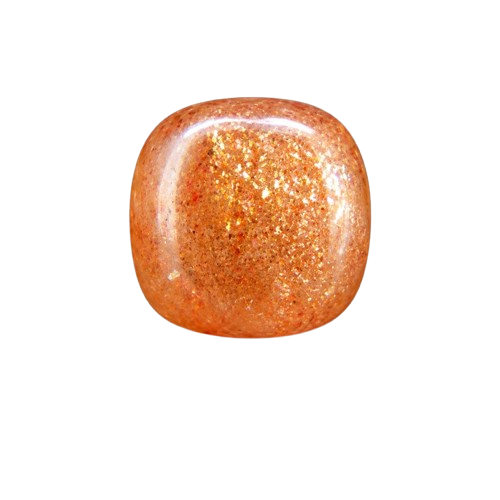
Sunstone is a captivating gemstone admired for its warm orange, golden, peach and reddish hues, often accompanied by a sparkling effect known as aventurescence. This glittering appearance is caused by tiny reflective mineral inclusions within the stone. Sunstone is a popular choice for rings, pendants, earrings, bracelets and decorative gemstone collections. Its sunny colours and natural shimmer give it a distinctive appearance that complements both contemporary and traditional jewellery designs.
Sunstone Origin
Sunstone is found in several regions around the world, including India, Norway, Madagascar, Tanzania, Canada and the United States. Oregon in the United States is particularly known for its copper-bearing Sunstone, which can display attractive metallic flashes. Other varieties may contain reflective inclusions of minerals such as hematite or goethite. The gemstone's colour, transparency and sparkle depend on its mineral composition, inclusions and geological origin.
Sunstone Properties
Gemstone Name: Sunstone
Mineral Family: Feldspar
Common Varieties: Oligoclase and labradorite varieties of feldspar
Available Colours: Golden, yellow-orange, peach, orange, reddish-orange, pink and brown
Mohs Hardness: Approximately 6–6.5, depending on the variety
Lustre: Vitreous or glass-like
Transparency: Transparent to opaque
Distinctive Feature: Aventurescence, a glittering effect caused by reflective inclusions
Common Cuts: Oval, round, cushion, pear, cabochon and faceted cuts
Common Uses: Rings, pendants, earrings, bracelets and gemstone collections
Popular Association: Joy, confidence and positivity in traditional crystal beliefs
Care Level: Requires gentle handling because it is softer and may cleave or chip under impact.
Why Buy Sunstone from Tanishq Gems
What Decides Sunstone Price
The price of Sunstone depends on its colour, transparency, clarity, cut, carat weight and the strength and distribution of its sparkling effect. Stones with attractive colour and a well-balanced glittering appearance may be more desirable. Certain copper-bearing Oregon Sunstones can command higher prices, particularly when they display distinctive colour or optical effects. Compare the stone's actual appearance, finish and any disclosed treatments, and ask the seller about its origin when that information is important to your purchase.
How to Care for Sunstone
Clean Sunstone with lukewarm water, mild soap and a soft cloth or brush. Rinse gently and dry thoroughly before storing. Avoid harsh chemicals, abrasive cleaners, sudden temperature changes and hard impacts. Feldspar can cleave or chip if struck, so remove Sunstone jewellery before strenuous activities or household cleaning. Avoid ultrasonic and steam cleaners, as they may damage stones with internal fractures or inclusions. Store the gemstone separately from harder jewellery to reduce scratches.
Sunstone FAQs
Answers to common customer questions
1. What is Sunstone gemstone?
Sunstone is a feldspar gemstone known for its warm colours and, in many specimens, a glittering optical effect called aventurescence. It is used in jewellery and mineral collections.
2. What causes the sparkle in Sunstone?
The characteristic sparkle, known as aventurescence, is caused by light reflecting from tiny plate-like mineral inclusions inside the stone. The colour and intensity of the effect vary between specimens.
3. Where is Sunstone found?
Sunstone occurs in locations including India, Norway, Madagascar, Tanzania, Canada and the United States. Oregon is especially known for its copper-bearing variety.
4. Is Sunstone suitable for everyday jewellery?
Sunstone can be worn regularly with care, but its hardness of approximately 6–6.5 and potential cleavage make it more vulnerable to scratches and impacts than harder gemstones. Protective settings can help reduce damage.
5. What does Sunstone traditionally symbolise?
In traditional crystal beliefs, Sunstone is associated with joy, confidence, optimism and positive energy. These are symbolic or spiritual associations rather than scientifically established effects.
6. How can I identify genuine Sunstone?
Sunstone may display natural reflective inclusions and characteristic colour patterns, but appearance alone cannot confirm authenticity or origin. For a valuable purchase, choose a reputable seller and request professional gem identification if necessary.
7. How should I clean a Sunstone bracelet or ring?
Use lukewarm water, mild soap and a soft cloth or brush. Dry it thoroughly and avoid harsh chemicals, ultrasonic cleaners, steam cleaning and hard impacts.
8. Is Sunstone available in different colours?
Yes. Sunstone can occur in golden, yellow-orange, peach, orange, pink, reddish-orange and brown shades. Some specimens are relatively transparent, while others are opaque and display a stronger glittering effect.