Aventurine
[TG_GEMSTONE]
[TG_INTRO]
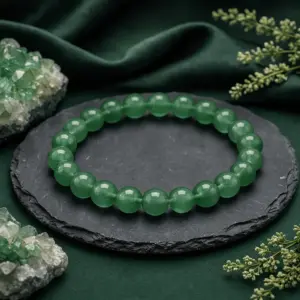
Aventurine is an attractive variety of quartz known for its natural colours and subtle shimmering effect, often called aventurescence. Green Aventurine is the most familiar variety and is admired for its fresh green shades, ranging from pale mint and light green to deeper forest green. The stone may contain tiny mineral inclusions that create a gentle sparkle when light reflects from its surface.
Aventurine is commonly used in gemstone bracelets, beads, pendants, cabochons and decorative jewellery. Its natural appearance makes it a versatile choice for casual accessories, everyday styling and gemstone collections. While green is the best-known colour, Aventurine can also occur in shades such as orange, reddish-brown, yellow and blue-green.
[/TG_INTRO]
[TG_ORIGIN]
Aventurine is found in several countries, including India, Brazil, Russia, Tanzania and other regions where quartz-rich rocks occur. India is a well-known commercial source of Green Aventurine used for beads, bracelets and decorative gemstone products.
**Gemstone Type:** Natural mineral gemstone
**Mineral Family:** Quartz
**Chemical Composition:** Silicon dioxide (SiO₂)
**Common Colours:** Green, pale green, dark green, orange, reddish-brown, yellow and blue-green
**Hardness:** Approximately 6.5–7 on the Mohs scale
**Crystal System:** Trigonal
**Transparency:** Translucent to opaque
**Distinctive Feature:** Aventurescence, a shimmering effect caused by reflective mineral inclusions
The shimmer in Green Aventurine is commonly associated with tiny inclusions of minerals such as fuchsite. The colour and degree of sparkle vary naturally from one stone to another.
[/TG_ORIGIN]
[TG_PROPERTIES]
Aventurine is valued for its natural colour, gentle shimmer and versatility in gemstone jewellery.
**Natural Green Shades:** Green Aventurine ranges from soft, pale green to rich, darker green, making it suitable for a variety of styles.
**Shimmering Appearance:** Some specimens display aventurescence, a subtle sparkle created by light reflecting from tiny mineral inclusions.
**Quartz-Based Gemstone:** Aventurine belongs to the quartz family and is widely used in polished gemstone products.
**Versatile Jewellery:** It is commonly fashioned into bracelets, beads, cabochons, pendants and decorative pieces.
**Natural Variation:** Colour, pattern, translucency and shimmer can differ between individual stones, giving each piece its own character.
**Traditional Associations:** In some spiritual traditions, Green Aventurine is associated with growth, optimism, confidence and good fortune. These are traditional beliefs rather than scientifically proven effects.
[/TG_PROPERTIES]
[TG_WHY_BUY]
Fresh green colour with a natural, earthy appearance
Subtle shimmer in selected stones
Popular choice for gemstone bracelets and beads
Suitable for pendants, cabochons and decorative jewellery
Available in a variety of natural colour shades
Versatile for casual, traditional and contemporary styling
Each stone can show unique colour and inclusion patterns
Traditionally associated with growth and good fortune
An attractive addition to gemstone collections
[/TG_WHY_BUY]
[TG_PRICE]
The price of Aventurine depends on its colour, shimmer, translucency, finish, size and overall quality.
**Colour:** Attractive, evenly distributed colour may be preferred, although colour preferences vary by buyer and design.
**Aventurescence:** Stones with a noticeable and appealing shimmer may be more desirable than pieces with little visible sparkle.
**Transparency and Pattern:** The degree of translucency and the distribution of natural inclusions influence appearance.
**Cut and Polish:** Smooth polishing and consistent bead sizing can improve the look of bracelets and other jewellery.
**Size and Weight:** Larger pieces may cost more depending on quality, craftsmanship and product type.
**Authenticity:** Aventurine should be distinguished from other green stones, dyed materials and imitations. Ask for accurate product details where available.
Compare the actual colour, polish, shimmer and craftsmanship when selecting Aventurine.
[/TG_PRICE]
[TG_CARE]
Aventurine is reasonably durable for many jewellery applications, but proper care helps preserve its polish and appearance.
**Clean Gently:** Use lukewarm water, mild soap and a soft cloth. Rinse thoroughly and dry completely.
**Avoid Harsh Chemicals:** Keep Aventurine away from strong cleaning products, acids and solvents.
**Prevent Scratches:** Store it separately from harder gemstones and jewellery that could scratch its surface.
**Protect from Impact:** Avoid dropping the stone or striking it against hard surfaces.
**Care for Bracelets:** Keep elastic bracelets away from excessive pulling, heat and prolonged contact with water to help preserve the string or elastic.
**Store Properly:** Keep jewellery in a soft pouch or lined box when not in use.
[/TG_CARE]
[TG_FAQ question=”What is Aventurine gemstone?”]
Aventurine is a variety of quartz known for its natural colours and, in many specimens, a subtle sparkling effect called aventurescence. Green Aventurine is especially popular for bracelets, beads and jewellery.
[/TG_FAQ]
[TG_FAQ question=”Where does Green Aventurine come from?”]
Green Aventurine is sourced from several regions, with India being a well-known commercial source. Other deposits occur in countries such as Brazil, Russia and Tanzania.
[/TG_FAQ]
[TG_FAQ question=”What colours does Aventurine come in?”]
Aventurine is best known for green shades, but it can also occur in orange, reddish-brown, yellow and blue-green tones. Colour depends on the mineral inclusions and characteristics of the material.
[/TG_FAQ]
[TG_FAQ question=”What causes the sparkle in Aventurine?”]
The subtle sparkle, known as aventurescence, occurs when light reflects from tiny mineral inclusions within the stone. In Green Aventurine, these inclusions are often associated with fuchsite.
[/TG_FAQ]
[TG_FAQ question=”What is the hardness of Aventurine?”]
Aventurine generally has a Mohs hardness of approximately 6.5–7. This makes it suitable for many jewellery designs, although it should still be protected from hard impacts and scratches.
[/TG_FAQ]
[TG_FAQ question=”Is Aventurine suitable for everyday wear?”]
Aventurine can be worn regularly when handled carefully. Avoid strong impacts, harsh chemicals and rough storage, and take extra care with elastic bracelets.
[/TG_FAQ]
[TG_FAQ question=”How should I clean Aventurine jewellery?”]
Clean Aventurine with lukewarm water, mild soap and a soft cloth. Dry it thoroughly and avoid harsh chemicals or abrasive cleaning products.
[/TG_FAQ]
[TG_FAQ question=”What is Green Aventurine traditionally believed to symbolise?”]
In some spiritual traditions, Green Aventurine is associated with growth, confidence, optimism and good fortune. These are traditional beliefs and are not scientifically established effects.
[/TG_FAQ]
Showing the single result
Aventurine
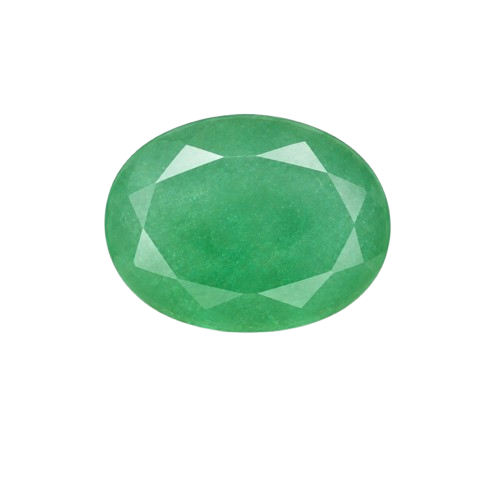
Aventurine is an attractive variety of quartz known for its natural colours and subtle shimmering effect, often called aventurescence. Green Aventurine is the most familiar variety and is admired for its fresh green shades, ranging from pale mint and light green to deeper forest green. The stone may contain tiny mineral inclusions that create a gentle sparkle when light reflects from its surface.
Aventurine is commonly used in gemstone bracelets, beads, pendants, cabochons and decorative jewellery. Its natural appearance makes it a versatile choice for casual accessories, everyday styling and gemstone collections. While green is the best-known colour, Aventurine can also occur in shades such as orange, reddish-brown, yellow and blue-green.
Aventurine Origin
Aventurine is found in several countries, including India, Brazil, Russia, Tanzania and other regions where quartz-rich rocks occur. India is a well-known commercial source of Green Aventurine used for beads, bracelets and decorative gemstone products.
**Gemstone Type:** Natural mineral gemstone
**Mineral Family:** Quartz
**Chemical Composition:** Silicon dioxide (SiO₂)
**Common Colours:** Green, pale green, dark green, orange, reddish-brown, yellow and blue-green
**Hardness:** Approximately 6.5–7 on the Mohs scale
**Crystal System:** Trigonal
**Transparency:** Translucent to opaque
**Distinctive Feature:** Aventurescence, a shimmering effect caused by reflective mineral inclusions
The shimmer in Green Aventurine is commonly associated with tiny inclusions of minerals such as fuchsite. The colour and degree of sparkle vary naturally from one stone to another.
Aventurine Properties
Aventurine is valued for its natural colour, gentle shimmer and versatility in gemstone jewellery.
**Natural Green Shades:** Green Aventurine ranges from soft, pale green to rich, darker green, making it suitable for a variety of styles.
**Shimmering Appearance:** Some specimens display aventurescence, a subtle sparkle created by light reflecting from tiny mineral inclusions.
**Quartz-Based Gemstone:** Aventurine belongs to the quartz family and is widely used in polished gemstone products.
**Versatile Jewellery:** It is commonly fashioned into bracelets, beads, cabochons, pendants and decorative pieces.
**Natural Variation:** Colour, pattern, translucency and shimmer can differ between individual stones, giving each piece its own character.
**Traditional Associations:** In some spiritual traditions, Green Aventurine is associated with growth, optimism, confidence and good fortune. These are traditional beliefs rather than scientifically proven effects.
Why Buy Aventurine from Tanishq Gems
What Decides Aventurine Price
The price of Aventurine depends on its colour, shimmer, translucency, finish, size and overall quality.
**Colour:** Attractive, evenly distributed colour may be preferred, although colour preferences vary by buyer and design.
**Aventurescence:** Stones with a noticeable and appealing shimmer may be more desirable than pieces with little visible sparkle.
**Transparency and Pattern:** The degree of translucency and the distribution of natural inclusions influence appearance.
**Cut and Polish:** Smooth polishing and consistent bead sizing can improve the look of bracelets and other jewellery.
**Size and Weight:** Larger pieces may cost more depending on quality, craftsmanship and product type.
**Authenticity:** Aventurine should be distinguished from other green stones, dyed materials and imitations. Ask for accurate product details where available.
Compare the actual colour, polish, shimmer and craftsmanship when selecting Aventurine.
How to Care for Aventurine
Aventurine is reasonably durable for many jewellery applications, but proper care helps preserve its polish and appearance.
**Clean Gently:** Use lukewarm water, mild soap and a soft cloth. Rinse thoroughly and dry completely.
**Avoid Harsh Chemicals:** Keep Aventurine away from strong cleaning products, acids and solvents.
**Prevent Scratches:** Store it separately from harder gemstones and jewellery that could scratch its surface.
**Protect from Impact:** Avoid dropping the stone or striking it against hard surfaces.
**Care for Bracelets:** Keep elastic bracelets away from excessive pulling, heat and prolonged contact with water to help preserve the string or elastic.
**Store Properly:** Keep jewellery in a soft pouch or lined box when not in use.
Aventurine FAQs
Answers to common customer questions
What is Aventurine gemstone?
Aventurine is a variety of quartz known for its natural colours and, in many specimens, a subtle sparkling effect called aventurescence. Green Aventurine is especially popular for bracelets, beads and jewellery.
Where does Green Aventurine come from?
Green Aventurine is sourced from several regions, with India being a well-known commercial source. Other deposits occur in countries such as Brazil, Russia and Tanzania.
What colours does Aventurine come in?
Aventurine is best known for green shades, but it can also occur in orange, reddish-brown, yellow and blue-green tones. Colour depends on the mineral inclusions and characteristics of the material.
What causes the sparkle in Aventurine?
The subtle sparkle, known as aventurescence, occurs when light reflects from tiny mineral inclusions within the stone. In Green Aventurine, these inclusions are often associated with fuchsite.
What is the hardness of Aventurine?
Aventurine generally has a Mohs hardness of approximately 6.5–7. This makes it suitable for many jewellery designs, although it should still be protected from hard impacts and scratches.
Is Aventurine suitable for everyday wear?
Aventurine can be worn regularly when handled carefully. Avoid strong impacts, harsh chemicals and rough storage, and take extra care with elastic bracelets.
How should I clean Aventurine jewellery?
Clean Aventurine with lukewarm water, mild soap and a soft cloth. Dry it thoroughly and avoid harsh chemicals or abrasive cleaning products.
What is Green Aventurine traditionally believed to symbolise?
In some spiritual traditions, Green Aventurine is associated with growth, confidence, optimism and good fortune. These are traditional beliefs and are not scientifically established effects.