Hakik
[TG_GEMSTONE]
[TG_INTRO]
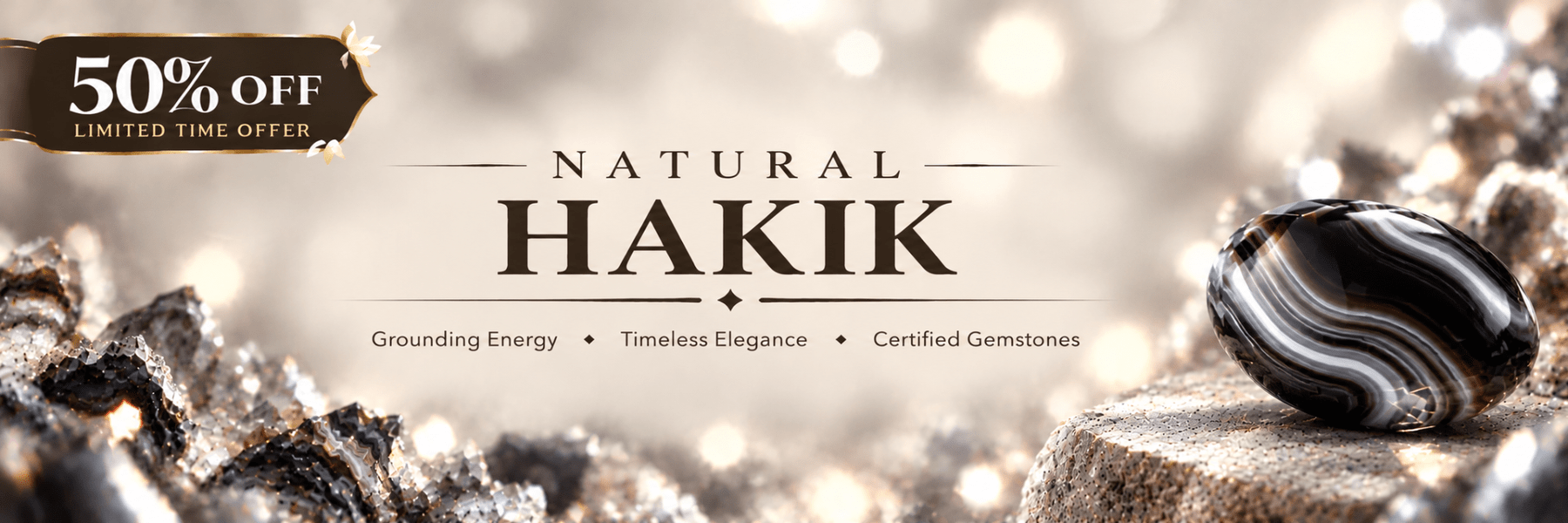
Hakik, commonly known as Agate, is a variety of chalcedony, a microcrystalline form of quartz. It is admired for its beautiful bands, natural patterns, earthy colours, and distinctive appearance. Hakik is available in shades such as black, brown, red, white, grey, and green, making it a popular choice for gemstone jewellery, malas, bracelets, pendants, and traditional accessories.
At Tanishq Gems, Hakik stones are suitable for buyers who appreciate the natural beauty of gemstones and the timeless appeal of traditional Indian jewellery. Each stone may feature unique patterns, colour variations, and banding, giving it an individual character.
[/TG_INTRO]
[TG_ORIGIN]
Hakik is sourced from several regions around the world, including India, Brazil, Uruguay, Madagascar, Botswana, and other parts of Africa. The origin of a particular stone depends on its geological formation and supplier information.
Natural Hakik typically forms when silica-rich fluids deposit layers of chalcedony inside cavities in volcanic rocks. These layers can create the characteristic bands and patterns associated with agate. Some stones sold commercially may be dyed or otherwise treated to enhance their colour, so treatment details should be confirmed for individual products.
[/TG_ORIGIN]
[TG_PROPERTIES]
**Gemstone Name:** Hakik (Agate)
**Mineral Family:** Chalcedony / Quartz
**Chemical Composition:** Silicon dioxide (SiO₂)
**Typical Colours:** Black, brown, red, white, grey, green, orange, and multicoloured
**Transparency:** Translucent to opaque
**Mohs Hardness:** Approximately 6.5–7
**Lustre:** Waxy to vitreous
**Common Forms:** Tumbled stones, beads, bracelets, malas, pendants, cabochons, and carved pieces
**Pattern:** Banded, striped, mottled, or relatively uniform, depending on the variety
**Treatment:** Some Hakik stones are dyed or colour-enhanced; treatment varies by product.
[/TG_PROPERTIES]
[TG_WHY_BUY]
Natural-looking patterns and distinctive colour variations
A traditional gemstone used in Indian jewellery and accessories
Suitable for bracelets, malas, pendants, and everyday styling
Available in a variety of colours to match different preferences
Durable enough for many types of jewellery when handled properly
Each naturally patterned stone can have its own individual appearance
A thoughtful gift for gemstone and traditional jewellery enthusiasts
[/TG_WHY_BUY]
[TG_PRICE]
The price of Hakik depends on its colour, pattern, size, finish, quality, origin, and whether it has undergone colour treatment. Beads and ordinary tumbled stones are generally priced differently from carefully selected, polished, carved, or uncommon varieties.
For an accurate comparison, check the size, finish, quantity, and treatment information provided with each product. Natural colour and pattern variations are normal and do not necessarily indicate a defect.
[/TG_PRICE]
[TG_CARE]
Clean Hakik jewellery gently with a soft cloth and lukewarm water with mild soap when appropriate. Rinse carefully and dry thoroughly before storing.
Avoid harsh chemicals, strong cleaning agents, ultrasonic cleaners, and sudden temperature changes, particularly if the stone is dyed, treated, or set in delicate jewellery. Store separately from harder gemstones to minimise scratches, and protect beads and bracelets from unnecessary impact.
Remove bracelets before swimming, exercising, or using household cleaning products to help preserve their finish and elastic cord, where applicable.
[/TG_CARE]
[TG_FAQ question=”What is Hakik stone called in English?”]
Hakik is commonly called Agate in English. It is a variety of chalcedony belonging to the quartz mineral family and is known for its colours and distinctive natural patterns.
[/TG_FAQ]
[TG_FAQ question=”Is Hakik a natural gemstone?”]
Agate is a naturally occurring gemstone. However, some commercially available Hakik stones may be dyed or colour-enhanced, so check the treatment details of the specific product before purchasing.
[/TG_FAQ]
[TG_FAQ question=”What colours are available in Hakik?”]
Hakik is found in black, brown, red, white, grey, green, orange, and multicoloured varieties. The colour and banding depend on the stone and its formation; some products may also be dyed.
[/TG_FAQ]
[TG_FAQ question=”What is the hardness of Hakik stone?”]
Hakik generally has a Mohs hardness of approximately 6.5–7, making it suitable for many jewellery applications. It can still chip or scratch under impact or improper handling.
[/TG_FAQ]
[TG_FAQ question=”Can Hakik be worn every day?”]
Hakik bracelets, pendants, and other jewellery can often be worn daily with reasonable care. Avoid rough impacts, harsh chemicals, and prolonged exposure to water when the jewellery includes elastic, metal fittings, or treated stones.
[/TG_FAQ]
[TG_FAQ question=”What is Black Hakik?”]
Black Hakik is a dark-coloured variety of agate used in bracelets, malas, beads, and other accessories. Its colour may be natural or enhanced, depending on the particular stone.
[/TG_FAQ]
[TG_FAQ question=”What are the traditional beliefs associated with Hakik?”]
In some cultural and spiritual traditions, Hakik is associated with grounding, protection, balance, and positive energy. These are traditional beliefs rather than scientifically established effects.
[/TG_FAQ]
[TG_FAQ question=”How should I clean and store Hakik jewellery?”]
Clean it gently with a soft cloth and mild soapy water when suitable, then dry it thoroughly. Store it separately from harder gemstones and avoid harsh chemicals, ultrasonic cleaning, and sudden temperature changes.
[/TG_FAQ]
[/TG_GEMSTONE]
Showing the single result
Hakik
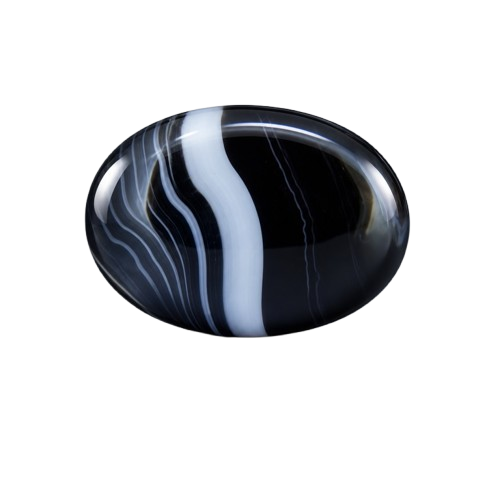
Hakik, commonly known as Agate, is a variety of chalcedony, a microcrystalline form of quartz. It is admired for its beautiful bands, natural patterns, earthy colours, and distinctive appearance. Hakik is available in shades such as black, brown, red, white, grey, and green, making it a popular choice for gemstone jewellery, malas, bracelets, pendants, and traditional accessories.
At Tanishq Gems, Hakik stones are suitable for buyers who appreciate the natural beauty of gemstones and the timeless appeal of traditional Indian jewellery. Each stone may feature unique patterns, colour variations, and banding, giving it an individual character.
Hakik Origin
Hakik is sourced from several regions around the world, including India, Brazil, Uruguay, Madagascar, Botswana, and other parts of Africa. The origin of a particular stone depends on its geological formation and supplier information.
Natural Hakik typically forms when silica-rich fluids deposit layers of chalcedony inside cavities in volcanic rocks. These layers can create the characteristic bands and patterns associated with agate. Some stones sold commercially may be dyed or otherwise treated to enhance their colour, so treatment details should be confirmed for individual products.
Hakik Properties
**Gemstone Name:** Hakik (Agate)
**Mineral Family:** Chalcedony / Quartz
**Chemical Composition:** Silicon dioxide (SiO₂)
**Typical Colours:** Black, brown, red, white, grey, green, orange, and multicoloured
**Transparency:** Translucent to opaque
**Mohs Hardness:** Approximately 6.5–7
**Lustre:** Waxy to vitreous
**Common Forms:** Tumbled stones, beads, bracelets, malas, pendants, cabochons, and carved pieces
**Pattern:** Banded, striped, mottled, or relatively uniform, depending on the variety
**Treatment:** Some Hakik stones are dyed or colour-enhanced; treatment varies by product.
Why Buy Hakik from Tanishq Gems
What Decides Hakik Price
The price of Hakik depends on its colour, pattern, size, finish, quality, origin, and whether it has undergone colour treatment. Beads and ordinary tumbled stones are generally priced differently from carefully selected, polished, carved, or uncommon varieties.
For an accurate comparison, check the size, finish, quantity, and treatment information provided with each product. Natural colour and pattern variations are normal and do not necessarily indicate a defect.
How to Care for Hakik
Clean Hakik jewellery gently with a soft cloth and lukewarm water with mild soap when appropriate. Rinse carefully and dry thoroughly before storing.
Avoid harsh chemicals, strong cleaning agents, ultrasonic cleaners, and sudden temperature changes, particularly if the stone is dyed, treated, or set in delicate jewellery. Store separately from harder gemstones to minimise scratches, and protect beads and bracelets from unnecessary impact.
Remove bracelets before swimming, exercising, or using household cleaning products to help preserve their finish and elastic cord, where applicable.
Hakik FAQs
Answers to common customer questions
What is Hakik stone called in English?
Hakik is commonly called Agate in English. It is a variety of chalcedony belonging to the quartz mineral family and is known for its colours and distinctive natural patterns.
Is Hakik a natural gemstone?
Agate is a naturally occurring gemstone. However, some commercially available Hakik stones may be dyed or colour-enhanced, so check the treatment details of the specific product before purchasing.
What colours are available in Hakik?
Hakik is found in black, brown, red, white, grey, green, orange, and multicoloured varieties. The colour and banding depend on the stone and its formation; some products may also be dyed.
What is the hardness of Hakik stone?
Hakik generally has a Mohs hardness of approximately 6.5–7, making it suitable for many jewellery applications. It can still chip or scratch under impact or improper handling.
Can Hakik be worn every day?
Hakik bracelets, pendants, and other jewellery can often be worn daily with reasonable care. Avoid rough impacts, harsh chemicals, and prolonged exposure to water when the jewellery includes elastic, metal fittings, or treated stones.
What is Black Hakik?
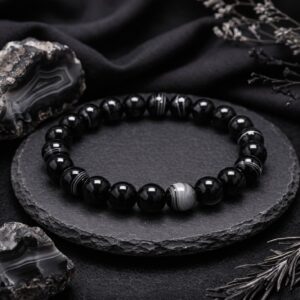
Black Hakik is a dark-coloured variety of agate used in bracelets, malas, beads, and other accessories. Its colour may be natural or enhanced, depending on the particular stone.
What are the traditional beliefs associated with Hakik?
In some cultural and spiritual traditions, Hakik is associated with grounding, protection, balance, and positive energy. These are traditional beliefs rather than scientifically established effects.
How should I clean and store Hakik jewellery?
Clean it gently with a soft cloth and mild soapy water when suitable, then dry it thoroughly. Store it separately from harder gemstones and avoid harsh chemicals, ultrasonic cleaning, and sudden temperature changes.