Malachite
[TG_GEMSTONE]
[TG_INTRO]
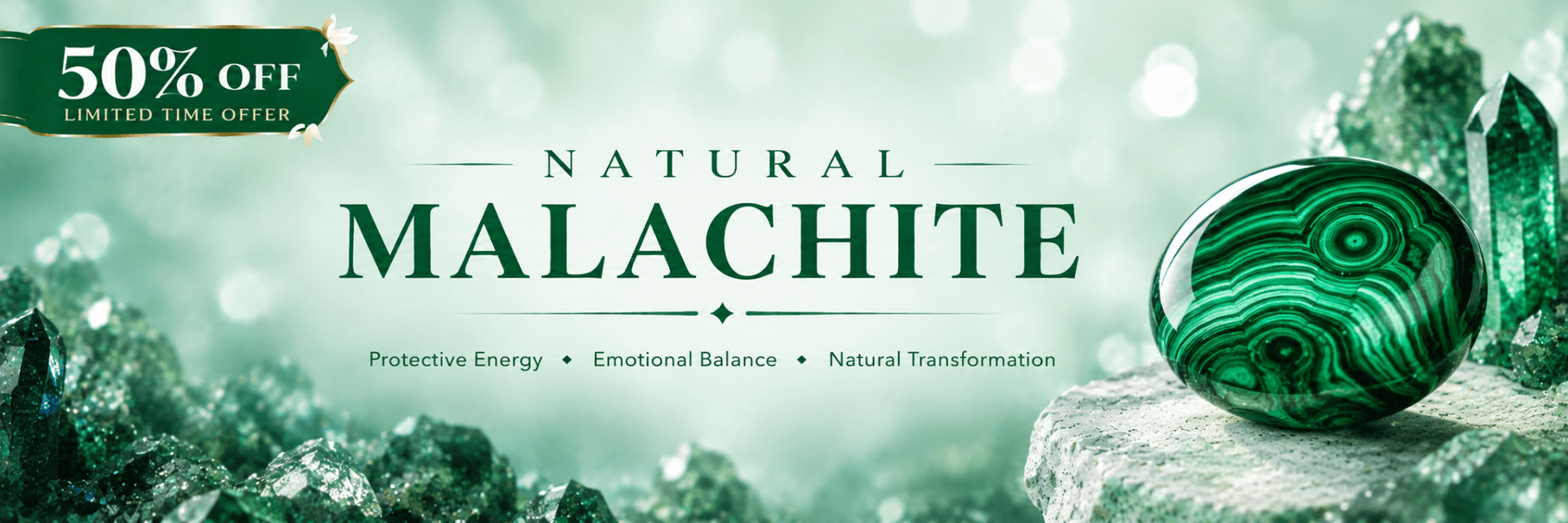
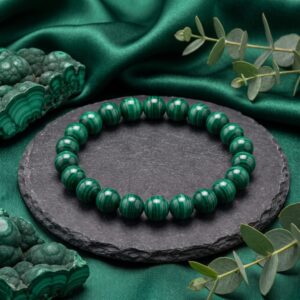
Malachite is a striking green ornamental gemstone known for its rich colour, distinctive banding, and naturally occurring swirling patterns. Its shades range from light green to deep forest green, often forming eye-catching concentric rings, waves, and stripes. Malachite is popular for gemstone bracelets, beads, pendants, decorative carvings, and jewellery pieces that stand out for their unique natural appearance.
Each piece of Malachite has its own pattern, making every bead and gemstone visually distinctive. It is especially appreciated by collectors and jewellery lovers who prefer bold green gemstones with an organic, artistic look.
[/TG_INTRO]
[TG_ORIGIN]
Malachite is found in copper-rich deposits in several parts of the world. Important sources include the Democratic Republic of the Congo, Zambia, Russia, Australia, and other regions with copper mineral deposits. The Democratic Republic of the Congo and Zambia are particularly well known for producing Malachite used in beads, carvings, and ornamental gemstone products.
Its characteristic green colour comes from its copper content, while its layered growth creates the attractive bands and swirling patterns that make this stone easy to recognise.
[/TG_ORIGIN]
[TG_PROPERTIES]
Gemstone Name: Malachite
Colour: Light green, medium green, and deep forest green, often with darker green bands
Mineral Group: Copper carbonate hydroxide
Chemical Formula: Cu₂CO₃(OH)₂
Hardness: Approximately 3.5–4 on the Mohs scale
Lustre: Silky to vitreous, depending on polish and surface
Transparency: Usually opaque
Appearance: Natural stripes, curved bands, concentric rings, and flowing patterns
Common Uses: Bracelets, beads, pendants, cabochons, carvings, and decorative objects
Treatment: Often cut and polished; some products may be stabilised or treated, so ask the seller for details
[/TG_PROPERTIES]
[TG_WHY_BUY]
Distinctive Green Patterns: Natural banding gives each piece a unique appearance.
Rich Natural Colour: Its vibrant green shades add a bold touch to jewellery.
Ideal for Statement Jewellery: Works beautifully in bracelets, pendants, and decorative accessories.
Unique Bead Designs: Pattern variations make Malachite beads visually interesting.
Popular Collector’s Stone: Appreciated for its distinctive mineral structure and ornamental appeal.
Pairs Well with Other Stones: Complements black, white, golden, and neutral-coloured beads.
Nature-Inspired Style: A suitable choice for people who enjoy earthy colours and organic patterns.
Traditional Symbolism: In some traditions, Malachite is associated with transformation, protection, and positive change; these are cultural beliefs rather than scientifically established effects.
[/TG_WHY_BUY]
[TG_PRICE]
The price of Malachite depends on the intensity of its green colour, the clarity and attractiveness of its natural banding, the size of the piece, craftsmanship, origin, and overall quality. Well-defined patterns and carefully polished beads may command higher prices. Finished bracelets and jewellery are also priced according to bead size, design, workmanship, and any additional materials used.
When purchasing Malachite, check whether the stone is natural, dyed, composite, or stabilised, and compare the quality of the pattern and polish rather than colour alone.
[/TG_PRICE]
[TG_CARE]
Malachite is a relatively soft gemstone and requires gentle handling. Avoid dropping it, scratching it against harder materials, or exposing it to harsh chemicals. Remove Malachite jewellery before bathing, swimming, exercising, or using cleaning products.
Clean polished Malachite gently with a soft, slightly damp cloth and dry it immediately. Avoid ultrasonic cleaners, steam cleaning, acidic cleaners, and abrasive polishing products. Do not use household jewellery dips unless they are specifically confirmed to be suitable for Malachite.
Raw Malachite should not be ground, sanded, or inhaled as dust because copper-containing mineral dust can be harmful. Wash your hands after handling raw material and keep it away from children who might put stones in their mouths.
[/TG_CARE]
[TG_FAQ question=”1. What is Malachite gemstone?”]
Malachite is a copper-containing mineral recognised for its rich green colour and characteristic natural bands. It is commonly cut and polished for bracelets, beads, pendants, carvings, and decorative objects.
[/TG_FAQ]
[TG_FAQ question=”2. What colour is Malachite?”]
Malachite ranges from light green to deep forest green. Its most recognisable feature is the presence of darker and lighter green stripes, rings, or flowing patterns.
[/TG_FAQ]
[TG_FAQ question=”3. Where does Malachite come from?”]
Malachite occurs in copper-rich mineral deposits around the world. Important sources include the Democratic Republic of the Congo, Zambia, Russia, and Australia.
[/TG_FAQ]
[TG_FAQ question=”4. Is Malachite suitable for everyday jewellery?”]
Malachite can be worn in jewellery with care, but its relatively low hardness makes it more vulnerable to scratches and damage than harder gemstones. Bracelets and pendants should be protected from impacts, chemicals, and prolonged moisture.
[/TG_FAQ]
[TG_FAQ question=”5. How can I identify genuine Malachite?”]
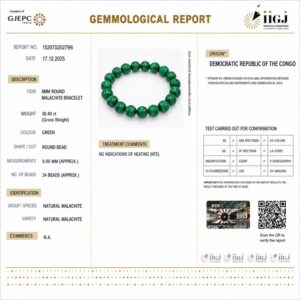
Natural Malachite commonly displays layered green bands and irregular variations in pattern. However, appearance alone cannot reliably confirm authenticity because imitations and dyed materials exist. For valuable purchases, request clear product information and, where appropriate, an independent gem identification report.
[/TG_FAQ]
[TG_FAQ question=”6. Is Malachite treated or dyed?”]
Malachite is often cut and polished, and some material may be stabilised or otherwise treated. Imitations made from dyed materials or composites are also available. Ask the seller to disclose any treatment and whether the item is natural Malachite.
[/TG_FAQ]
[TG_FAQ question=”7. How should I clean a Malachite bracelet?”]
Wipe it gently with a soft, slightly damp cloth and dry it immediately. Avoid soaking, harsh chemicals, ultrasonic cleaners, steam cleaning, and abrasive products.
[/TG_FAQ]
[TG_FAQ question=”8. What does Malachite symbolise?”]
In various cultural and spiritual traditions, Malachite is associated with transformation, protection, growth, and positive change. These associations reflect traditional beliefs and are not scientifically proven gemstone effects.
[/TG_FAQ]
[/TG_GEMSTONE]
Showing the single result
Malachite
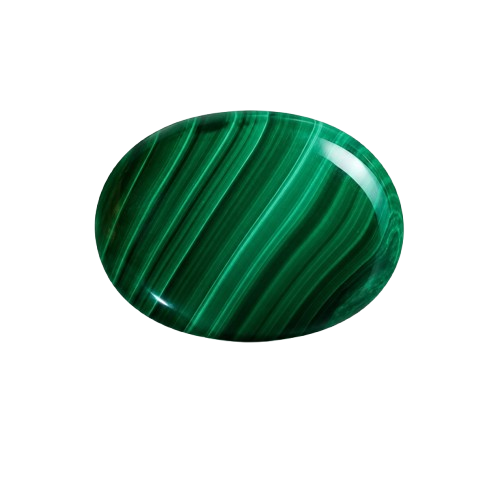
Malachite is a striking green ornamental gemstone known for its rich colour, distinctive banding, and naturally occurring swirling patterns. Its shades range from light green to deep forest green, often forming eye-catching concentric rings, waves, and stripes. Malachite is popular for gemstone bracelets, beads, pendants, decorative carvings, and jewellery pieces that stand out for their unique natural appearance.
Each piece of Malachite has its own pattern, making every bead and gemstone visually distinctive. It is especially appreciated by collectors and jewellery lovers who prefer bold green gemstones with an organic, artistic look.
Malachite Origin
Malachite is found in copper-rich deposits in several parts of the world. Important sources include the Democratic Republic of the Congo, Zambia, Russia, Australia, and other regions with copper mineral deposits. The Democratic Republic of the Congo and Zambia are particularly well known for producing Malachite used in beads, carvings, and ornamental gemstone products.
Its characteristic green colour comes from its copper content, while its layered growth creates the attractive bands and swirling patterns that make this stone easy to recognise.
Malachite Properties
Gemstone Name: Malachite
Colour: Light green, medium green, and deep forest green, often with darker green bands
Mineral Group: Copper carbonate hydroxide
Chemical Formula: Cu₂CO₃(OH)₂
Hardness: Approximately 3.5–4 on the Mohs scale
Lustre: Silky to vitreous, depending on polish and surface
Transparency: Usually opaque
Appearance: Natural stripes, curved bands, concentric rings, and flowing patterns
Common Uses: Bracelets, beads, pendants, cabochons, carvings, and decorative objects
Treatment: Often cut and polished; some products may be stabilised or treated, so ask the seller for details
Why Buy Malachite from Tanishq Gems
What Decides Malachite Price
The price of Malachite depends on the intensity of its green colour, the clarity and attractiveness of its natural banding, the size of the piece, craftsmanship, origin, and overall quality. Well-defined patterns and carefully polished beads may command higher prices. Finished bracelets and jewellery are also priced according to bead size, design, workmanship, and any additional materials used.
When purchasing Malachite, check whether the stone is natural, dyed, composite, or stabilised, and compare the quality of the pattern and polish rather than colour alone.
How to Care for Malachite
Malachite is a relatively soft gemstone and requires gentle handling. Avoid dropping it, scratching it against harder materials, or exposing it to harsh chemicals. Remove Malachite jewellery before bathing, swimming, exercising, or using cleaning products.
Clean polished Malachite gently with a soft, slightly damp cloth and dry it immediately. Avoid ultrasonic cleaners, steam cleaning, acidic cleaners, and abrasive polishing products. Do not use household jewellery dips unless they are specifically confirmed to be suitable for Malachite.
Raw Malachite should not be ground, sanded, or inhaled as dust because copper-containing mineral dust can be harmful. Wash your hands after handling raw material and keep it away from children who might put stones in their mouths.
Malachite FAQs
Answers to common customer questions
1. What is Malachite gemstone?
Malachite is a copper-containing mineral recognised for its rich green colour and characteristic natural bands. It is commonly cut and polished for bracelets, beads, pendants, carvings, and decorative objects.
2. What colour is Malachite?
Malachite ranges from light green to deep forest green. Its most recognisable feature is the presence of darker and lighter green stripes, rings, or flowing patterns.
3. Where does Malachite come from?
Malachite occurs in copper-rich mineral deposits around the world. Important sources include the Democratic Republic of the Congo, Zambia, Russia, and Australia.
4. Is Malachite suitable for everyday jewellery?
Malachite can be worn in jewellery with care, but its relatively low hardness makes it more vulnerable to scratches and damage than harder gemstones. Bracelets and pendants should be protected from impacts, chemicals, and prolonged moisture.
5. How can I identify genuine Malachite?
Natural Malachite commonly displays layered green bands and irregular variations in pattern. However, appearance alone cannot reliably confirm authenticity because imitations and dyed materials exist. For valuable purchases, request clear product information and, where appropriate, an independent gem identification report.
6. Is Malachite treated or dyed?
Malachite is often cut and polished, and some material may be stabilised or otherwise treated. Imitations made from dyed materials or composites are also available. Ask the seller to disclose any treatment and whether the item is natural Malachite.
7. How should I clean a Malachite bracelet?
Wipe it gently with a soft, slightly damp cloth and dry it immediately. Avoid soaking, harsh chemicals, ultrasonic cleaners, steam cleaning, and abrasive products.
8. What does Malachite symbolise?
In various cultural and spiritual traditions, Malachite is associated with transformation, protection, growth, and positive change. These associations reflect traditional beliefs and are not scientifically proven gemstone effects.