Peridot
[TG_GEMSTONE]
[TG_INTRO]
Peridot is a beautiful green gemstone admired for its fresh olive-green colour, natural brilliance, and distinctive appearance. Often recognised by its yellowish-green to vibrant grass-green shades, Peridot is one of the few gemstones that naturally occurs in a relatively narrow range of green colours.
Peridot has been appreciated in jewellery for centuries and is used in rings, pendants, earrings, bracelets, and gemstone collections. Its lively green colour pairs beautifully with gold and silver settings, making it suitable for both traditional and contemporary jewellery designs.
Known as the birthstone for August, Peridot is a popular choice for people who appreciate bright, nature-inspired gemstones with a distinctive natural glow.
[/TG_INTRO]
[TG_ORIGIN]
Peridot is the gem-quality variety of the mineral olivine. It forms deep within the Earth and can reach the surface through volcanic activity. It has also been found in certain meteorites, making it an interesting gemstone from both geological and scientific perspectives.
Important sources of gem-quality Peridot include China, Pakistan, Myanmar, Vietnam, the United States, and other regions. Historically, Egypt has also been associated with Peridot production, particularly the island of Zabargad in the Red Sea.
The gemstone’s green colour comes primarily from iron within its crystal structure. Colour intensity, transparency, and overall quality vary between individual stones.
[/TG_ORIGIN]
[TG_PROPERTIES]
Gemstone Name: Peridot
Mineral Family: Olivine
Chemical Composition: Magnesium iron silicate
Chemical Formula: (Mg,Fe)₂SiO₄
Colour: Yellowish-green, olive-green, and vibrant grass-green
Hardness: Approximately 6.5–7 on the Mohs scale
Lustre: Vitreous
Transparency: Transparent to translucent
Refractive Index: Approximately 1.65–1.69
Birthstone: August
Common Cuts: Oval, round, pear, cushion, and emerald cuts
Common Uses: Rings, earrings, pendants, bracelets, and gemstone collections
Treatment: Often sold without treatment, but the treatment status should be confirmed with the seller
[/TG_PROPERTIES]
[TG_WHY_BUY]
Fresh Green Colour: Offers attractive olive-green and yellowish-green shades.
Natural Brilliance: Its vitreous lustre gives well-cut stones a lively appearance.
August Birthstone: A meaningful option for people born in August.
Versatile Jewellery Choice: Works beautifully in rings, earrings, pendants, and bracelets.
Complements Gold and Silver: Its green colour pairs well with different jewellery metals.
Nature-Inspired Appearance: Suitable for people who appreciate earthy and botanical colours.
Distinctive Gemstone Character: Each stone varies in colour, transparency, and natural inclusions.
Traditional Symbolism: Peridot is associated in some traditions with renewal, prosperity, and positive energy; these are cultural beliefs rather than scientifically proven effects.
[/TG_WHY_BUY]
[TG_PRICE]
The price of Peridot depends on colour intensity, clarity, transparency, cut quality, carat weight, and overall appearance. Stones with a lively green colour, good transparency, and well-executed cuts may command higher prices. Very pale, overly yellowish, heavily included, or poorly cut stones may be less expensive.
Origin can also influence the market value of some Peridot gemstones, particularly when supported by reliable documentation. When purchasing, compare the stone’s actual colour, dimensions, carat weight, and disclosed treatment status. For valuable purchases, consider an independent gemmological identification report.
[/TG_PRICE]
[TG_CARE]
Peridot has moderate gemstone hardness and can be damaged by strong impacts, so handle it carefully, especially in rings worn during daily activities. Remove Peridot jewellery before sports, heavy work, or activities that could expose the stone to knocks.
Clean Peridot using lukewarm water, mild soap, and a soft brush or cloth. Rinse gently and dry with a lint-free cloth. Avoid sudden temperature changes, harsh chemicals, and abrasive cleaning products. Ultrasonic and steam cleaners are best avoided unless a qualified jeweller confirms they are suitable for the particular stone and setting.
Store Peridot separately from harder gemstones to reduce the risk of scratches. Check jewellery settings periodically to make sure the gemstone remains secure.
[/TG_CARE]
[TG_FAQ question=”1. What is Peridot gemstone?”]
Peridot is the gem-quality variety of the mineral olivine. It is known for its yellowish-green to olive-green colour and is used in rings, pendants, earrings, bracelets, and other jewellery.
[/TG_FAQ]
[TG_FAQ question=”2. What colour is Peridot?”]
Peridot typically ranges from yellowish-green to olive-green and vibrant grass-green. Its colour is mainly influenced by iron within the mineral’s crystal structure.
[/TG_FAQ]
[TG_FAQ question=”3. Where is Peridot found?”]
Peridot is sourced from countries and regions including China, Pakistan, Myanmar, Vietnam, and the United States. Egypt’s historic Zabargad island is also well known for Peridot.
[/TG_FAQ]
[TG_FAQ question=”4. Is Peridot the birthstone for August?”]
Yes. Peridot is widely recognised as one of the traditional birthstones for August and is often chosen for birthday jewellery and gifts.
[/TG_FAQ]
[TG_FAQ question=”5. Is Peridot suitable for everyday wear?”]
Peridot can be worn regularly with care, but its hardness of approximately 6.5–7 makes it more vulnerable to scratches and impact damage than harder gemstones. Protective settings and careful handling can help reduce damage.
[/TG_FAQ]
[TG_FAQ question=”6. Is Peridot usually treated?”]
Peridot is commonly sold without treatment, but the status of an individual gemstone should be confirmed with the seller. For valuable purchases, ask for appropriate documentation.
[/TG_FAQ]
[TG_FAQ question=”7. How can I identify genuine Peridot?”]
Its characteristic green colour can help with recognition, but colour alone cannot confirm authenticity. A qualified gemmologist can examine the stone using suitable gem-testing methods when reliable identification is needed.
[/TG_FAQ]
[TG_FAQ question=”8. How should I clean a Peridot bracelet or ring?”]
Use lukewarm water, mild soap, and a soft brush or cloth. Dry the gemstone thoroughly and avoid harsh chemicals, sudden temperature changes, and potentially damaging cleaning equipment.
[/TG_FAQ]
[/TG_GEMSTONE]
Showing the single result
Peridot
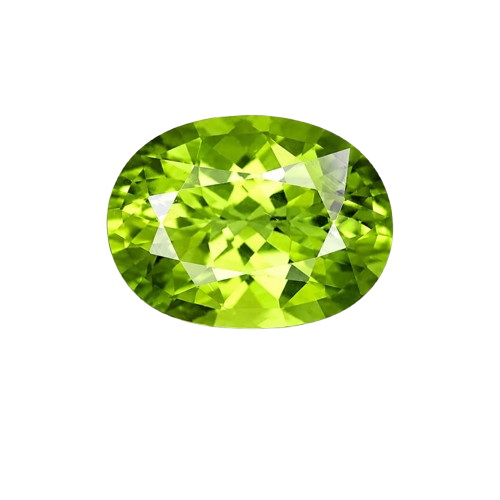
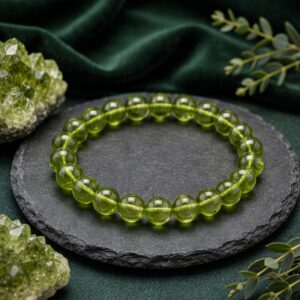
Peridot is a beautiful green gemstone admired for its fresh olive-green colour, natural brilliance, and distinctive appearance. Often recognised by its yellowish-green to vibrant grass-green shades, Peridot is one of the few gemstones that naturally occurs in a relatively narrow range of green colours.
Peridot has been appreciated in jewellery for centuries and is used in rings, pendants, earrings, bracelets, and gemstone collections. Its lively green colour pairs beautifully with gold and silver settings, making it suitable for both traditional and contemporary jewellery designs.
Known as the birthstone for August, Peridot is a popular choice for people who appreciate bright, nature-inspired gemstones with a distinctive natural glow.
Peridot Origin
Peridot is the gem-quality variety of the mineral olivine. It forms deep within the Earth and can reach the surface through volcanic activity. It has also been found in certain meteorites, making it an interesting gemstone from both geological and scientific perspectives.
Important sources of gem-quality Peridot include China, Pakistan, Myanmar, Vietnam, the United States, and other regions. Historically, Egypt has also been associated with Peridot production, particularly the island of Zabargad in the Red Sea.
The gemstone's green colour comes primarily from iron within its crystal structure. Colour intensity, transparency, and overall quality vary between individual stones.
Peridot Properties
Gemstone Name: Peridot
Mineral Family: Olivine
Chemical Composition: Magnesium iron silicate
Chemical Formula: (Mg,Fe)₂SiO₄
Colour: Yellowish-green, olive-green, and vibrant grass-green
Hardness: Approximately 6.5–7 on the Mohs scale
Lustre: Vitreous
Transparency: Transparent to translucent
Refractive Index: Approximately 1.65–1.69
Birthstone: August
Common Cuts: Oval, round, pear, cushion, and emerald cuts
Common Uses: Rings, earrings, pendants, bracelets, and gemstone collections
Treatment: Often sold without treatment, but the treatment status should be confirmed with the seller
Why Buy Peridot from Tanishq Gems
What Decides Peridot Price
The price of Peridot depends on colour intensity, clarity, transparency, cut quality, carat weight, and overall appearance. Stones with a lively green colour, good transparency, and well-executed cuts may command higher prices. Very pale, overly yellowish, heavily included, or poorly cut stones may be less expensive.
Origin can also influence the market value of some Peridot gemstones, particularly when supported by reliable documentation. When purchasing, compare the stone's actual colour, dimensions, carat weight, and disclosed treatment status. For valuable purchases, consider an independent gemmological identification report.
How to Care for Peridot
Peridot has moderate gemstone hardness and can be damaged by strong impacts, so handle it carefully, especially in rings worn during daily activities. Remove Peridot jewellery before sports, heavy work, or activities that could expose the stone to knocks.
Clean Peridot using lukewarm water, mild soap, and a soft brush or cloth. Rinse gently and dry with a lint-free cloth. Avoid sudden temperature changes, harsh chemicals, and abrasive cleaning products. Ultrasonic and steam cleaners are best avoided unless a qualified jeweller confirms they are suitable for the particular stone and setting.
Store Peridot separately from harder gemstones to reduce the risk of scratches. Check jewellery settings periodically to make sure the gemstone remains secure.
Peridot FAQs
Answers to common customer questions
1. What is Peridot gemstone?
Peridot is the gem-quality variety of the mineral olivine. It is known for its yellowish-green to olive-green colour and is used in rings, pendants, earrings, bracelets, and other jewellery.
2. What colour is Peridot?
Peridot typically ranges from yellowish-green to olive-green and vibrant grass-green. Its colour is mainly influenced by iron within the mineral's crystal structure.
3. Where is Peridot found?
Peridot is sourced from countries and regions including China, Pakistan, Myanmar, Vietnam, and the United States. Egypt's historic Zabargad island is also well known for Peridot.
4. Is Peridot the birthstone for August?
Yes. Peridot is widely recognised as one of the traditional birthstones for August and is often chosen for birthday jewellery and gifts.
5. Is Peridot suitable for everyday wear?
Peridot can be worn regularly with care, but its hardness of approximately 6.5–7 makes it more vulnerable to scratches and impact damage than harder gemstones. Protective settings and careful handling can help reduce damage.
6. Is Peridot usually treated?
Peridot is commonly sold without treatment, but the status of an individual gemstone should be confirmed with the seller. For valuable purchases, ask for appropriate documentation.
7. How can I identify genuine Peridot?
Its characteristic green colour can help with recognition, but colour alone cannot confirm authenticity. A qualified gemmologist can examine the stone using suitable gem-testing methods when reliable identification is needed.
8. How should I clean a Peridot bracelet or ring?
Use lukewarm water, mild soap, and a soft brush or cloth. Dry the gemstone thoroughly and avoid harsh chemicals, sudden temperature changes, and potentially damaging cleaning equipment.