Rudraksha
[TG_GEMSTONE]
[TG_INTRO]
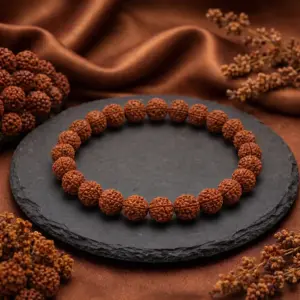
Rudraksha is a traditional spiritual seed treasured in Hindu culture for its association with Lord Shiva, meditation and devotional practices. Rudraksha beads develop on trees of the *Elaeocarpus* genus and are recognised by their naturally textured surface and distinctive lines, commonly called mukhis. They are used in prayer malas, bracelets, pendants and spiritual accessories. Rudraksha beads are available in different sizes and mukhi varieties, each carrying its own traditional significance in Hindu beliefs.
[/TG_INTRO]
[TG_ORIGIN]
Rudraksha trees grow in parts of South Asia and Southeast Asia. Important sources of Rudraksha beads include Nepal, India and Indonesia. Nepal Rudraksha beads are often associated with a larger appearance and prominent surface lines, while Indonesian beads are frequently smaller and lighter, although size and appearance vary naturally. The quality of a bead depends on its physical condition, size, shape, surface texture, mukhi pattern and authenticity. Buyers should purchase from a reputable seller and request clear information about the bead’s source and any treatments.
[/TG_ORIGIN]
[TG_PROPERTIES]
Product Name: Rudraksha
Botanical Source: Elaeocarpus species, especially Elaeocarpus ganitrus
Material Type: Natural seed
Common Colours: Light brown, reddish-brown, dark brown and brownish-black
Surface: Naturally textured, with distinctive longitudinal lines
Mukhis: Common varieties include 1 Mukhi, 2 Mukhi, 3 Mukhi, 5 Mukhi, 7 Mukhi and other varieties
Common Uses: Prayer malas, bracelets, pendants and meditation accessories
Common Origins: Nepal, India and Indonesia
Popular Forms: Individual beads, japa malas, wrist malas and wearable pendants
Care Level: Protect from prolonged moisture, harsh chemicals, excessive heat and physical damage.
Traditional Association: Devotion to Lord Shiva, meditation, spiritual discipline and prayer.
[/TG_PROPERTIES]
[TG_WHY_BUY]
Traditional spiritual accessory associated with Lord Shiva
Suitable for prayer, meditation and everyday devotional practices
Available in different mukhi varieties, bead sizes and natural shades
Can be worn as a bracelet, pendant or mala
Natural textures give each bead a distinctive appearance
A thoughtful gift for people who appreciate Hindu traditions and spiritual accessories
[/TG_WHY_BUY]
[TG_PRICE]
The price of Rudraksha depends on its mukhi variety, size, shape, surface condition, origin, rarity and authenticity. Certain varieties are marketed as rare and may command higher prices, but such claims should be verified carefully. Nepal and Indonesian beads can differ in typical size and appearance, though these differences alone do not prove origin or authenticity. Before purchasing a high-value bead, ask the seller about its identification, origin claims, any treatments and available certification. Do not rely on price or mukhi claims alone as proof of genuineness.
[/TG_PRICE]
[TG_CARE]
Keep Rudraksha beads clean and dry after use. Wipe them gently with a soft, dry cloth and avoid prolonged soaking, harsh detergents, perfumes and chemical cleaners. Excessive moisture may affect the seed or the thread used in a mala. Store the beads in a dry place away from direct heat and strong sunlight. Check the thread and metal fittings regularly, especially for bracelets and malas worn frequently. If applying oil as part of a traditional care routine, use caution because excess oil may attract dust or affect the thread and fittings.
[/TG_CARE]
[TG_FAQ question=”1. What is Rudraksha?”]
Rudraksha is a natural seed from trees in the Elaeocarpus genus, especially Elaeocarpus ganitrus. It is traditionally used in Hindu prayer malas, bracelets and meditation accessories.
[/TG_FAQ]
[TG_FAQ question=”2. What does Mukhi mean in Rudraksha?”]
Mukhi refers to the natural lines or divisions running along the surface of a Rudraksha bead. Beads are commonly described by the number of these lines, such as 5 Mukhi or 7 Mukhi. Identification should be based on the bead itself rather than seller claims alone.
[/TG_FAQ]
[TG_FAQ question=”3. What is the difference between Nepal and Indonesian Rudraksha?”]
Nepal Rudraksha beads are often larger, with more pronounced surface texture, while Indonesian beads are commonly smaller and lighter. These are general tendencies rather than guaranteed identification features. A bead’s origin cannot always be confirmed by appearance alone.
[/TG_FAQ]
[TG_FAQ question=”4. What is the spiritual significance of Rudraksha?”]
In Hindu tradition, Rudraksha is associated with Lord Shiva, prayer, meditation and spiritual discipline. Specific mukhi varieties also carry traditional meanings in different religious and spiritual practices. These meanings are based on faith and tradition rather than scientifically established effects.
[/TG_FAQ]
[TG_FAQ question=”5. How can I identify genuine Rudraksha?”]
Examine the natural surface lines, overall condition and bead structure, but do not rely on appearance or home tests alone. Buy from a reputable seller and request appropriate expert verification or documentation for valuable or rare varieties.
[/TG_FAQ]
[TG_FAQ question=”6. Can Rudraksha be worn every day?”]
Many people wear Rudraksha bracelets or malas daily as part of their spiritual practice. Keep the beads clean, avoid harsh chemicals and prolonged soaking, and check the thread or fittings regularly to help maintain their condition.
[/TG_FAQ]
[TG_FAQ question=”7. How should I clean and store Rudraksha?”]
Wipe the beads with a soft, dry cloth and store them in a dry place away from excessive heat and direct sunlight. Avoid harsh cleaners and prolonged exposure to water, which may damage the seed or its thread.
[/TG_FAQ]
[TG_FAQ question=”8. Are the benefits of Rudraksha scientifically proven?”]
Rudraksha has a long-standing religious and cultural significance. Spiritual benefits attributed to it are traditional beliefs, and claims that it treats diseases or reliably changes physical or mental health should not be considered scientifically established medical facts.
[/TG_FAQ]
Showing the single result
Rudraksha
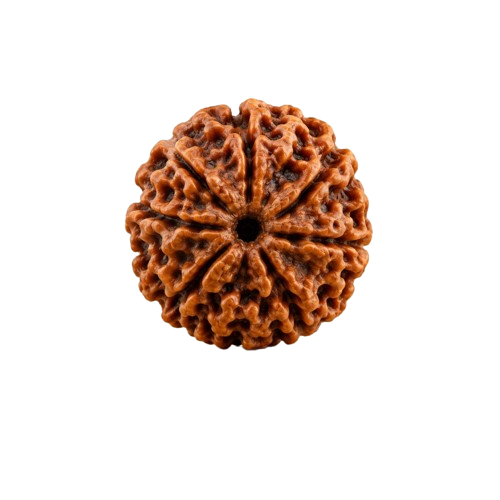
Rudraksha is a traditional spiritual seed treasured in Hindu culture for its association with Lord Shiva, meditation and devotional practices. Rudraksha beads develop on trees of the *Elaeocarpus* genus and are recognised by their naturally textured surface and distinctive lines, commonly called mukhis. They are used in prayer malas, bracelets, pendants and spiritual accessories. Rudraksha beads are available in different sizes and mukhi varieties, each carrying its own traditional significance in Hindu beliefs.
Rudraksha Origin
Rudraksha trees grow in parts of South Asia and Southeast Asia. Important sources of Rudraksha beads include Nepal, India and Indonesia. Nepal Rudraksha beads are often associated with a larger appearance and prominent surface lines, while Indonesian beads are frequently smaller and lighter, although size and appearance vary naturally. The quality of a bead depends on its physical condition, size, shape, surface texture, mukhi pattern and authenticity. Buyers should purchase from a reputable seller and request clear information about the bead's source and any treatments.
Rudraksha Properties
Product Name: Rudraksha
Botanical Source: Elaeocarpus species, especially Elaeocarpus ganitrus
Material Type: Natural seed
Common Colours: Light brown, reddish-brown, dark brown and brownish-black
Surface: Naturally textured, with distinctive longitudinal lines
Mukhis: Common varieties include 1 Mukhi, 2 Mukhi, 3 Mukhi, 5 Mukhi, 7 Mukhi and other varieties
Common Uses: Prayer malas, bracelets, pendants and meditation accessories
Common Origins: Nepal, India and Indonesia
Popular Forms: Individual beads, japa malas, wrist malas and wearable pendants
Care Level: Protect from prolonged moisture, harsh chemicals, excessive heat and physical damage.
Traditional Association: Devotion to Lord Shiva, meditation, spiritual discipline and prayer.
Why Buy Rudraksha from Tanishq Gems
What Decides Rudraksha Price
The price of Rudraksha depends on its mukhi variety, size, shape, surface condition, origin, rarity and authenticity. Certain varieties are marketed as rare and may command higher prices, but such claims should be verified carefully. Nepal and Indonesian beads can differ in typical size and appearance, though these differences alone do not prove origin or authenticity. Before purchasing a high-value bead, ask the seller about its identification, origin claims, any treatments and available certification. Do not rely on price or mukhi claims alone as proof of genuineness.
How to Care for Rudraksha
Keep Rudraksha beads clean and dry after use. Wipe them gently with a soft, dry cloth and avoid prolonged soaking, harsh detergents, perfumes and chemical cleaners. Excessive moisture may affect the seed or the thread used in a mala. Store the beads in a dry place away from direct heat and strong sunlight. Check the thread and metal fittings regularly, especially for bracelets and malas worn frequently. If applying oil as part of a traditional care routine, use caution because excess oil may attract dust or affect the thread and fittings.
Rudraksha FAQs
Answers to common customer questions
1. What is Rudraksha?
Rudraksha is a natural seed from trees in the Elaeocarpus genus, especially Elaeocarpus ganitrus. It is traditionally used in Hindu prayer malas, bracelets and meditation accessories.
2. What does Mukhi mean in Rudraksha?
Mukhi refers to the natural lines or divisions running along the surface of a Rudraksha bead. Beads are commonly described by the number of these lines, such as 5 Mukhi or 7 Mukhi. Identification should be based on the bead itself rather than seller claims alone.
3. What is the difference between Nepal and Indonesian Rudraksha?
Nepal Rudraksha beads are often larger, with more pronounced surface texture, while Indonesian beads are commonly smaller and lighter. These are general tendencies rather than guaranteed identification features. A bead's origin cannot always be confirmed by appearance alone.
4. What is the spiritual significance of Rudraksha?
In Hindu tradition, Rudraksha is associated with Lord Shiva, prayer, meditation and spiritual discipline. Specific mukhi varieties also carry traditional meanings in different religious and spiritual practices. These meanings are based on faith and tradition rather than scientifically established effects.
5. How can I identify genuine Rudraksha?
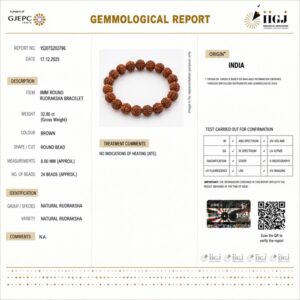
Examine the natural surface lines, overall condition and bead structure, but do not rely on appearance or home tests alone. Buy from a reputable seller and request appropriate expert verification or documentation for valuable or rare varieties.
6. Can Rudraksha be worn every day?
Many people wear Rudraksha bracelets or malas daily as part of their spiritual practice. Keep the beads clean, avoid harsh chemicals and prolonged soaking, and check the thread or fittings regularly to help maintain their condition.
7. How should I clean and store Rudraksha?
Wipe the beads with a soft, dry cloth and store them in a dry place away from excessive heat and direct sunlight. Avoid harsh cleaners and prolonged exposure to water, which may damage the seed or its thread.
8. Are the benefits of Rudraksha scientifically proven?
Rudraksha has a long-standing religious and cultural significance. Spiritual benefits attributed to it are traditional beliefs, and claims that it treats diseases or reliably changes physical or mental health should not be considered scientifically established medical facts.