Labradorite
[TG_GEMSTONE]
[TG_INTRO]
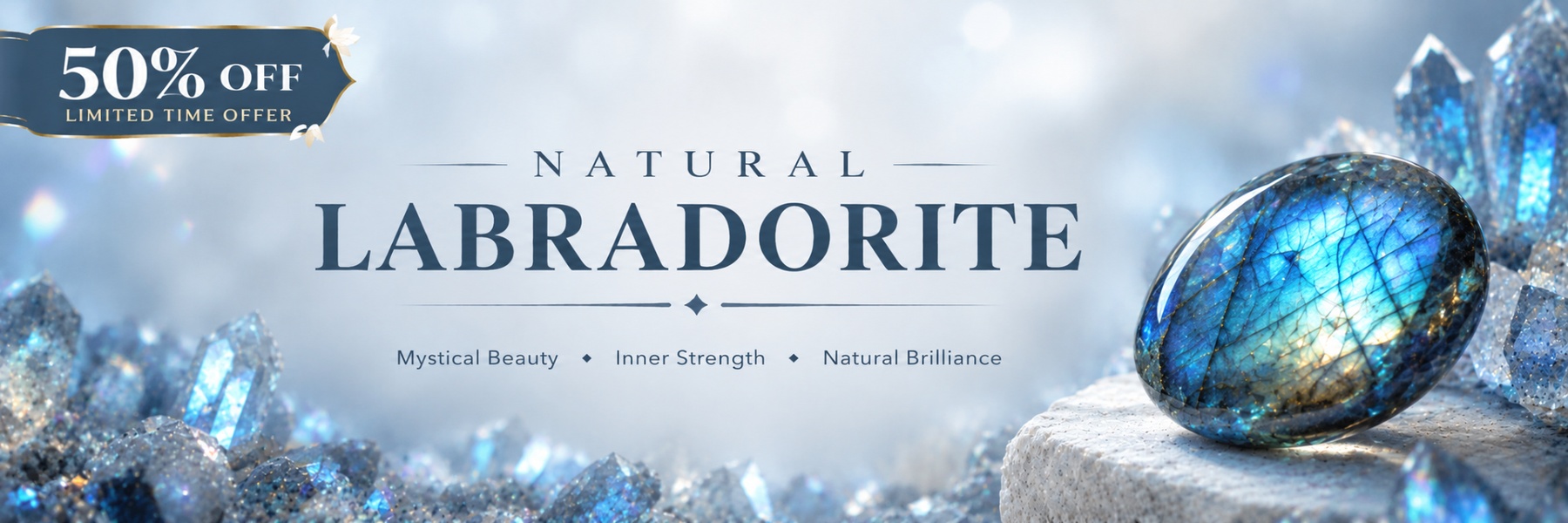
Labradorite is a captivating feldspar gemstone known for its distinctive flashes of blue, green, gold, and sometimes violet. This optical effect, called labradorescence, appears when light interacts with internal layers within the stone, creating a shimmering display that changes with the viewing angle.
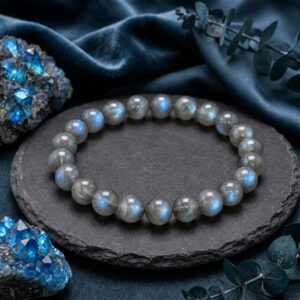
Labradorite is popular for gemstone bracelets, beads, pendants, rings, and statement jewellery. Its typically grey, dark grey, or smoky base colour contrasts beautifully with its colourful flashes, giving each stone a unique appearance.
At Tanishq Gems, Labradorite is a wonderful option for customers who appreciate gemstones with a natural shimmer and distinctive character. Each piece can differ in colour, pattern, transparency, and the intensity of its flashes.
[/TG_INTRO]
[TG_ORIGIN]
Labradorite was first described from Labrador in Canada, from which it takes its name. It is also found in other regions, including Madagascar, Finland, Australia, and parts of North America.
Labradorite forms in igneous rocks and belongs to the plagioclase feldspar group. Its characteristic colour flashes result from light interacting with fine internal structures in the mineral. Some related feldspar materials, including spectrolite, are known for especially vivid displays of colour.
The appearance and quality of Labradorite vary naturally, so the origin alone does not determine the intensity of its colour flashes or its overall value.
[/TG_ORIGIN]
[TG_PROPERTIES]
**Gemstone Name:** Labradorite
**Mineral Family:** Feldspar
**Mineral Group:** Plagioclase Feldspar
**Chemical Composition:** Sodium calcium aluminium silicate, with composition varying within the plagioclase series
**Typical Base Colours:** Grey, dark grey, smoky, and grey-green
**Flash Colours:** Blue, green, gold, yellow, and occasionally violet or multicoloured
**Transparency:** Translucent to opaque, depending on the specimen
**Mohs Hardness:** Approximately 6–6.5
**Lustre:** Vitreous
**Distinctive Feature:** Labradorescence, a colourful optical effect visible at certain angles
**Common Cuts:** Cabochon, oval, round, freeform, and polished beads
**Common Uses:** Bracelets, pendants, rings, beads, and decorative jewellery
**Care Level:** Moderate; protect from hard impacts, scratches, and harsh cleaning methods.
[/TG_PROPERTIES]
[TG_WHY_BUY]
Distinctive blue, green, and golden flashes
A naturally occurring optical effect that changes with viewing angle
Suitable for bracelets, pendants, beads, and statement jewellery
Grey base tones pair well with a wide range of outfits
Each stone can have a unique flash pattern and intensity
A popular choice for gemstone collectors and jewellery enthusiasts
Works well in both contemporary and traditional-inspired designs
[/TG_WHY_BUY]
[TG_PRICE]
The price of Labradorite depends on the intensity and coverage of its colour flashes, base colour, size, cut, polish, overall quality, and origin. Stones with vivid, well-positioned flashes and attractive patterns may be priced differently from pieces with weaker or less visible colour effects.
When comparing Labradorite products, consider the stone’s appearance under different lighting and viewing angles, along with its dimensions, finish, and any disclosed treatments. Natural variations in colour and flash are normal and make each piece distinctive.
[/TG_PRICE]
[TG_CARE]
Clean Labradorite gently with a soft cloth and lukewarm water with mild soap when appropriate. Rinse carefully and dry thoroughly before storing.
Labradorite is less resistant to scratching and impact than harder gemstones, so avoid dropping it or exposing it to knocks. Keep it away from harsh chemicals, sudden temperature changes, and abrasive cleaning materials.
Avoid ultrasonic and steam cleaners unless a qualified jeweller confirms they are suitable for the specific stone and setting. Store Labradorite jewellery separately from harder gemstones to help prevent scratches.
[/TG_CARE]
[TG_FAQ question=”What is Labradorite gemstone?”]
Labradorite is a feldspar mineral prized as a gemstone for its distinctive flashes of colour, commonly blue, green, and gold. It is often polished into beads, cabochons, pendants, and jewellery stones.
[/TG_FAQ]
[TG_FAQ question=”What is labradorescence in Labradorite?”]
Labradorescence is the optical effect that produces colourful flashes inside Labradorite. The effect occurs when light interacts with fine internal structures in the stone and is usually most visible at particular viewing angles.
[/TG_FAQ]
[TG_FAQ question=”What colours does Labradorite show?”]
Labradorite commonly displays blue, green, and golden flashes, while some specimens show yellow, violet, or multiple colours. The strength and distribution of the flashes vary from stone to stone.
[/TG_FAQ]
[TG_FAQ question=”Is Labradorite a natural gemstone?”]
Yes, Labradorite is a naturally occurring feldspar mineral. Individual stones vary in base colour, internal structure, and the intensity of their colourful flashes.
[/TG_FAQ]
[TG_FAQ question=”What is the hardness of Labradorite?”]
Labradorite generally has a Mohs hardness of approximately 6–6.5. It is suitable for many jewellery designs but should be protected from hard impacts and contact with harder materials.
[/TG_FAQ]
[TG_FAQ question=”How do I choose good-quality Labradorite?”]
Look for attractive colour flashes, a pleasing pattern, good polish, and a cut that displays the optical effect clearly. Check the stone from several angles under suitable lighting, as the flashes may not be equally visible from every direction.
[/TG_FAQ]
[TG_FAQ question=”What are the traditional beliefs associated with Labradorite?”]
In some spiritual traditions, Labradorite is associated with intuition, transformation, and personal growth. These are traditional beliefs rather than scientifically established effects.
[/TG_FAQ]
[TG_FAQ question=”How should I clean and store Labradorite jewellery?”]
Clean it gently with a soft cloth and mild soapy water when suitable, then dry it thoroughly. Store it separately from harder gemstones and avoid harsh chemicals, ultrasonic cleaning, steam cleaning, and hard impacts.
[/TG_FAQ]
[/TG_GEMSTONE]
Showing the single result
Labradorite
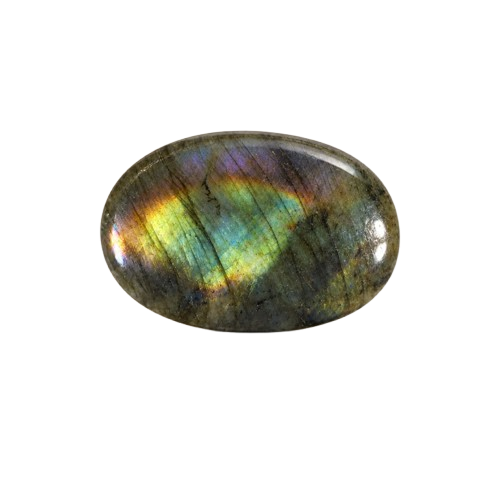
Labradorite is a captivating feldspar gemstone known for its distinctive flashes of blue, green, gold, and sometimes violet. This optical effect, called labradorescence, appears when light interacts with internal layers within the stone, creating a shimmering display that changes with the viewing angle.
Labradorite is popular for gemstone bracelets, beads, pendants, rings, and statement jewellery. Its typically grey, dark grey, or smoky base colour contrasts beautifully with its colourful flashes, giving each stone a unique appearance.
At Tanishq Gems, Labradorite is a wonderful option for customers who appreciate gemstones with a natural shimmer and distinctive character. Each piece can differ in colour, pattern, transparency, and the intensity of its flashes.
Labradorite Origin
Labradorite was first described from Labrador in Canada, from which it takes its name. It is also found in other regions, including Madagascar, Finland, Australia, and parts of North America.
Labradorite forms in igneous rocks and belongs to the plagioclase feldspar group. Its characteristic colour flashes result from light interacting with fine internal structures in the mineral. Some related feldspar materials, including spectrolite, are known for especially vivid displays of colour.
The appearance and quality of Labradorite vary naturally, so the origin alone does not determine the intensity of its colour flashes or its overall value.
Labradorite Properties
**Gemstone Name:** Labradorite
**Mineral Family:** Feldspar
**Mineral Group:** Plagioclase Feldspar
**Chemical Composition:** Sodium calcium aluminium silicate, with composition varying within the plagioclase series
**Typical Base Colours:** Grey, dark grey, smoky, and grey-green
**Flash Colours:** Blue, green, gold, yellow, and occasionally violet or multicoloured
**Transparency:** Translucent to opaque, depending on the specimen
**Mohs Hardness:** Approximately 6–6.5
**Lustre:** Vitreous
**Distinctive Feature:** Labradorescence, a colourful optical effect visible at certain angles
**Common Cuts:** Cabochon, oval, round, freeform, and polished beads
**Common Uses:** Bracelets, pendants, rings, beads, and decorative jewellery
**Care Level:** Moderate; protect from hard impacts, scratches, and harsh cleaning methods.
Why Buy Labradorite from Tanishq Gems
What Decides Labradorite Price
The price of Labradorite depends on the intensity and coverage of its colour flashes, base colour, size, cut, polish, overall quality, and origin. Stones with vivid, well-positioned flashes and attractive patterns may be priced differently from pieces with weaker or less visible colour effects.
When comparing Labradorite products, consider the stone's appearance under different lighting and viewing angles, along with its dimensions, finish, and any disclosed treatments. Natural variations in colour and flash are normal and make each piece distinctive.
How to Care for Labradorite
Clean Labradorite gently with a soft cloth and lukewarm water with mild soap when appropriate. Rinse carefully and dry thoroughly before storing.
Labradorite is less resistant to scratching and impact than harder gemstones, so avoid dropping it or exposing it to knocks. Keep it away from harsh chemicals, sudden temperature changes, and abrasive cleaning materials.
Avoid ultrasonic and steam cleaners unless a qualified jeweller confirms they are suitable for the specific stone and setting. Store Labradorite jewellery separately from harder gemstones to help prevent scratches.
Labradorite FAQs
Answers to common customer questions
What is Labradorite gemstone?
Labradorite is a feldspar mineral prized as a gemstone for its distinctive flashes of colour, commonly blue, green, and gold. It is often polished into beads, cabochons, pendants, and jewellery stones.
What is labradorescence in Labradorite?
Labradorescence is the optical effect that produces colourful flashes inside Labradorite. The effect occurs when light interacts with fine internal structures in the stone and is usually most visible at particular viewing angles.
What colours does Labradorite show?
Labradorite commonly displays blue, green, and golden flashes, while some specimens show yellow, violet, or multiple colours. The strength and distribution of the flashes vary from stone to stone.
Is Labradorite a natural gemstone?
Yes, Labradorite is a naturally occurring feldspar mineral. Individual stones vary in base colour, internal structure, and the intensity of their colourful flashes.
What is the hardness of Labradorite?
Labradorite generally has a Mohs hardness of approximately 6–6.5. It is suitable for many jewellery designs but should be protected from hard impacts and contact with harder materials.
How do I choose good-quality Labradorite?
Look for attractive colour flashes, a pleasing pattern, good polish, and a cut that displays the optical effect clearly. Check the stone from several angles under suitable lighting, as the flashes may not be equally visible from every direction.
What are the traditional beliefs associated with Labradorite?
In some spiritual traditions, Labradorite is associated with intuition, transformation, and personal growth. These are traditional beliefs rather than scientifically established effects.
How should I clean and store Labradorite jewellery?
Clean it gently with a soft cloth and mild soapy water when suitable, then dry it thoroughly. Store it separately from harder gemstones and avoid harsh chemicals, ultrasonic cleaning, steam cleaning, and hard impacts.