Tourmaline
[TG_GEMSTONE]
[TG_INTRO]
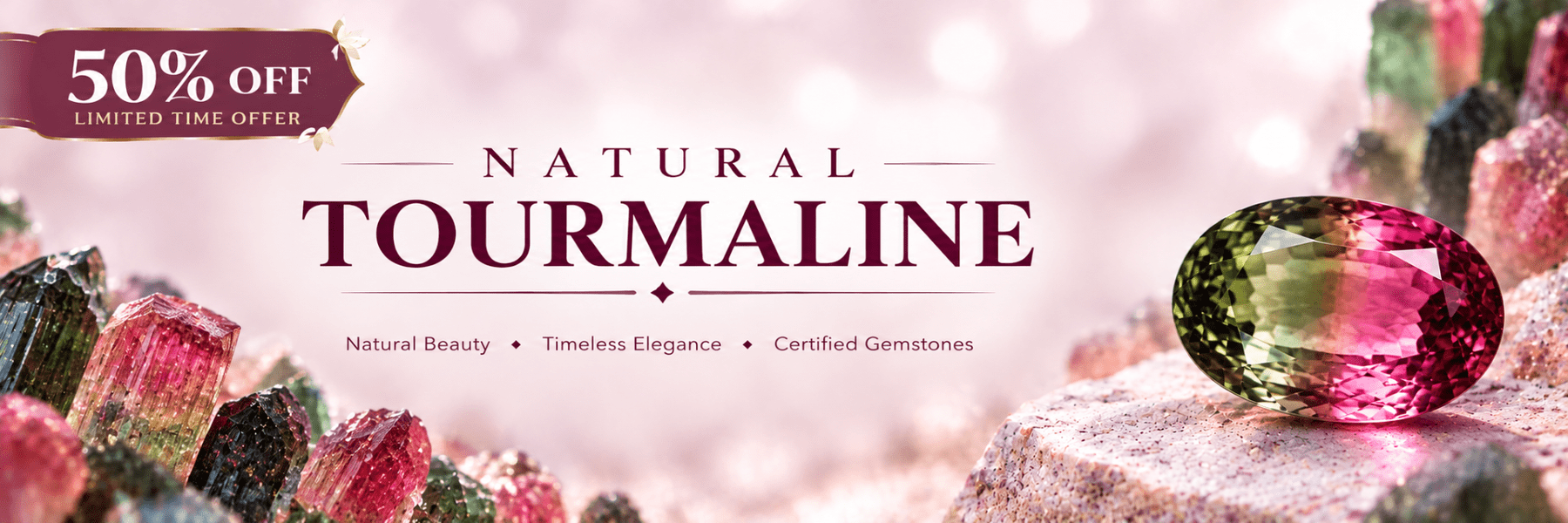
Tourmaline is a fascinating and versatile gemstone loved for its remarkable range of colours, from vivid pink and green to deep black, blue, and multicoloured varieties. Each stone has its own distinctive appearance, making Tourmaline a popular choice for gemstone collectors, jewellery lovers, and those seeking a meaningful addition to their collection. At Tanishq Gems, we value the natural beauty and individuality of gemstones, helping you explore Tourmaline for its colour, character, and timeless appeal.
[/TG_INTRO]
[TG_ORIGIN]
Tourmaline is found in several parts of the world, with important sources including Brazil, Afghanistan, Pakistan, Mozambique, Nigeria, Madagascar, Sri Lanka, and the United States. The origin of a particular stone depends on its variety and geological formation. Tourmaline occurs in a wide spectrum of colours, including black Schorl, green Verdelite, pink or red Rubellite, and blue Indicolite.
[/TG_ORIGIN]
[TG_PROPERTIES]
Gemstone Name: Tourmaline
Mineral Group: Tourmaline Group
Common Varieties: Black, Green, Pink, Red, Blue, Watermelon, and Multicolour Tourmaline
Chemical Composition: Complex boron-containing silicate mineral
Colour: Black, green, pink, red, blue, yellow, and mixed colours
Crystal System: Trigonal
Mohs Hardness: Approximately 7–7.5
Lustre: Vitreous to resinous
Transparency: Transparent to opaque, depending on the variety
Common Uses: Jewellery, gemstone collections, decorative pieces, and traditional gemstone practices
Natural Characteristics: Colour zoning, inclusions, and variations in shade may occur naturally. Appearance and quality vary by specimen.
[/TG_PROPERTIES]
[TG_WHY_BUY]
A remarkable range of colours to suit different styles and preferences
Distinctive natural patterns and colour variations
Suitable for rings, pendants, bracelets, and other jewellery designs
A popular choice for gemstone collectors and enthusiasts
Available in transparent, translucent, and opaque varieties
Each natural stone has its own individual character
Traditionally associated with balance, protection, and positive energy in some gemstone practices
[/TG_WHY_BUY]
[TG_PRICE]
The price of Tourmaline depends on its colour, variety, clarity, transparency, carat weight, cut, origin, and overall quality. Rare and vivid colours, such as fine blue or certain pink and green varieties, may command higher prices. Black Tourmaline is generally valued differently from transparent jewellery-grade varieties. Natural inclusions and colour zoning can affect appearance and value. Always check the product description for the specific stone’s details and any available authenticity or gem identification documentation.
[/TG_PRICE]
[TG_CARE]
Clean Tourmaline gently using lukewarm water, mild soap, and a soft cloth or brush. Rinse carefully and dry with a soft, lint-free cloth. Avoid harsh chemicals, ultrasonic cleaners, sudden temperature changes, and prolonged exposure to extreme heat. Store separately from harder gemstones to reduce the risk of scratches. For jewellery, inspect the setting regularly and seek professional cleaning when needed.
[/TG_CARE]
[TG_FAQ question=”What is Tourmaline gemstone?”]
Tourmaline is a group of boron-containing silicate minerals known for their wide range of colours. It is used in jewellery, collections, and decorative gemstone pieces.
[/TG_FAQ]
[TG_FAQ question=”What colours does Tourmaline come in?”]
Tourmaline occurs in many colours, including black, green, pink, red, blue, yellow, and multicoloured combinations. Watermelon Tourmaline is known for its pink and green colour zoning.
[/TG_FAQ]
[TG_FAQ question=”Is Tourmaline a natural gemstone?”]
Tourmaline occurs naturally, but individual products may differ in treatments, origin, and material quality. Check the specific product listing and available documentation to understand what is being offered.
[/TG_FAQ]
[TG_FAQ question=”What is the hardness of Tourmaline?”]
Tourmaline typically measures around 7–7.5 on the Mohs hardness scale. It is suitable for many jewellery applications, although care is still needed to prevent scratches, chips, or damage.
[/TG_FAQ]
[TG_FAQ question=”How can I care for Tourmaline?”]
Clean it with lukewarm water, mild soap, and a soft cloth. Avoid harsh chemicals, extreme heat, sudden temperature changes, and abrasive cleaning methods.
[/TG_FAQ]
[TG_FAQ question=”What affects the price of Tourmaline?”]
Price depends on colour, clarity, transparency, cut, carat weight, origin, rarity, and any treatments. Vivid colours and fine-quality transparent stones can be more valuable than common varieties.
[/TG_FAQ]
[TG_FAQ question=”What is Black Tourmaline used for?”]
Black Tourmaline is popular in jewellery and crystal collections. In some traditional crystal practices, it is associated with protection and grounding; these are cultural or spiritual beliefs rather than scientifically established effects.
[/TG_FAQ]
[TG_FAQ question=”Can Tourmaline be worn every day?”]
Tourmaline can be suitable for everyday jewellery when properly set and cared for. Remove jewellery before strenuous activities, and protect the stone from impacts, harsh chemicals, and extreme heat.
[/TG_FAQ]
Showing the single result
-
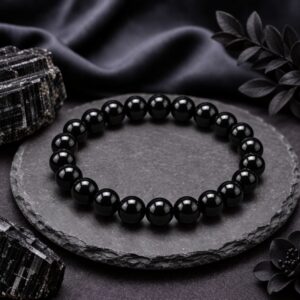
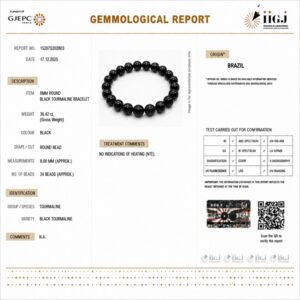 ✦ SALE Add to cartBlack Tourmaline BraceletTourmalineOriginal price was: ₹1,400.00.₹700.00Current price is: ₹700.00.
Black Tourmaline Bracelet
Tourmaline Original price was: ₹1,400.00.₹700.00Current price is: ₹700.00.
Tourmaline
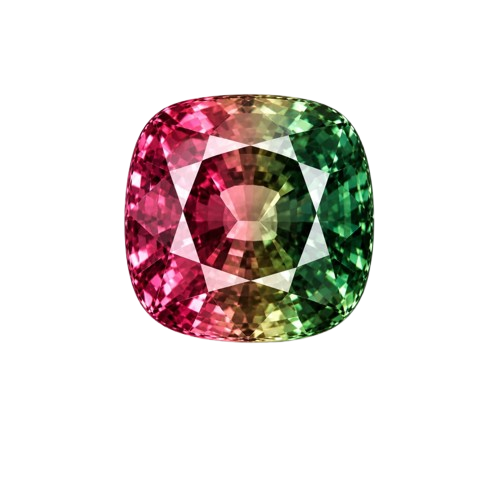
Tourmaline is a fascinating and versatile gemstone loved for its remarkable range of colours, from vivid pink and green to deep black, blue, and multicoloured varieties. Each stone has its own distinctive appearance, making Tourmaline a popular choice for gemstone collectors, jewellery lovers, and those seeking a meaningful addition to their collection. At Tanishq Gems, we value the natural beauty and individuality of gemstones, helping you explore Tourmaline for its colour, character, and timeless appeal.
Tourmaline Origin
Tourmaline is found in several parts of the world, with important sources including Brazil, Afghanistan, Pakistan, Mozambique, Nigeria, Madagascar, Sri Lanka, and the United States. The origin of a particular stone depends on its variety and geological formation. Tourmaline occurs in a wide spectrum of colours, including black Schorl, green Verdelite, pink or red Rubellite, and blue Indicolite.
Tourmaline Properties
Gemstone Name: Tourmaline
Mineral Group: Tourmaline Group
Common Varieties: Black, Green, Pink, Red, Blue, Watermelon, and Multicolour Tourmaline
Chemical Composition: Complex boron-containing silicate mineral
Colour: Black, green, pink, red, blue, yellow, and mixed colours
Crystal System: Trigonal
Mohs Hardness: Approximately 7–7.5
Lustre: Vitreous to resinous
Transparency: Transparent to opaque, depending on the variety
Common Uses: Jewellery, gemstone collections, decorative pieces, and traditional gemstone practices
Natural Characteristics: Colour zoning, inclusions, and variations in shade may occur naturally. Appearance and quality vary by specimen.
Why Buy Tourmaline from Tanishq Gems
What Decides Tourmaline Price
The price of Tourmaline depends on its colour, variety, clarity, transparency, carat weight, cut, origin, and overall quality. Rare and vivid colours, such as fine blue or certain pink and green varieties, may command higher prices. Black Tourmaline is generally valued differently from transparent jewellery-grade varieties. Natural inclusions and colour zoning can affect appearance and value. Always check the product description for the specific stone's details and any available authenticity or gem identification documentation.
How to Care for Tourmaline
Clean Tourmaline gently using lukewarm water, mild soap, and a soft cloth or brush. Rinse carefully and dry with a soft, lint-free cloth. Avoid harsh chemicals, ultrasonic cleaners, sudden temperature changes, and prolonged exposure to extreme heat. Store separately from harder gemstones to reduce the risk of scratches. For jewellery, inspect the setting regularly and seek professional cleaning when needed.
Tourmaline FAQs
Answers to common customer questions
What is Tourmaline gemstone?
Tourmaline is a group of boron-containing silicate minerals known for their wide range of colours. It is used in jewellery, collections, and decorative gemstone pieces.
What colours does Tourmaline come in?
Tourmaline occurs in many colours, including black, green, pink, red, blue, yellow, and multicoloured combinations. Watermelon Tourmaline is known for its pink and green colour zoning.
Is Tourmaline a natural gemstone?
Tourmaline occurs naturally, but individual products may differ in treatments, origin, and material quality. Check the specific product listing and available documentation to understand what is being offered.
What is the hardness of Tourmaline?
Tourmaline typically measures around 7–7.5 on the Mohs hardness scale. It is suitable for many jewellery applications, although care is still needed to prevent scratches, chips, or damage.
How can I care for Tourmaline?
Clean it with lukewarm water, mild soap, and a soft cloth. Avoid harsh chemicals, extreme heat, sudden temperature changes, and abrasive cleaning methods.
What affects the price of Tourmaline?
Price depends on colour, clarity, transparency, cut, carat weight, origin, rarity, and any treatments. Vivid colours and fine-quality transparent stones can be more valuable than common varieties.
What is Black Tourmaline used for?
Black Tourmaline is popular in jewellery and crystal collections. In some traditional crystal practices, it is associated with protection and grounding; these are cultural or spiritual beliefs rather than scientifically established effects.
Can Tourmaline be worn every day?
Tourmaline can be suitable for everyday jewellery when properly set and cared for. Remove jewellery before strenuous activities, and protect the stone from impacts, harsh chemicals, and extreme heat.