Amethyst
[TG_GEMSTONE]
[TG_INTRO]
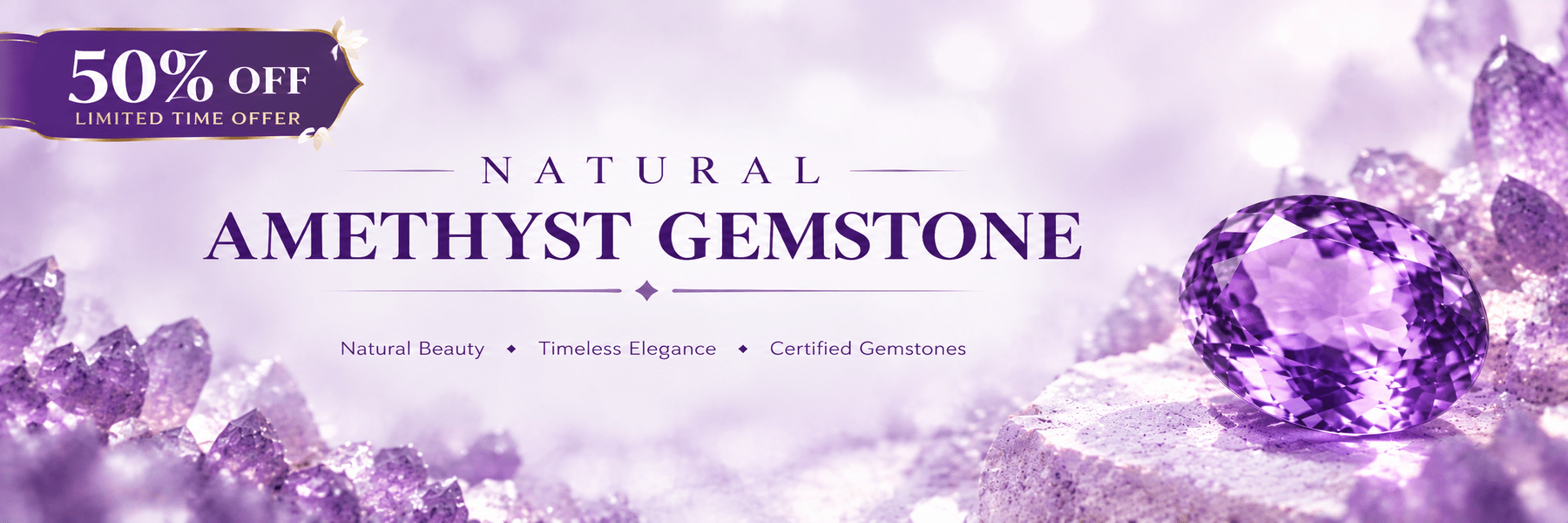
Amethyst is a beautiful purple variety of quartz admired for its violet, lavender and deep royal-purple shades. Its attractive colour, natural crystal structure and versatility make it one of the most popular gemstones for jewellery and gemstone collections. Amethyst can range from delicate pale lilac to rich, saturated purple, sometimes with subtle reddish or bluish tones.
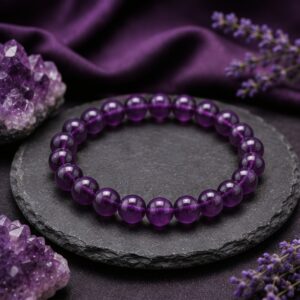
Amethyst is used in rings, pendants, earrings, bracelets, malas and decorative gemstone pieces. Its elegant colour complements both traditional Indian jewellery and modern designs, making it a versatile choice for everyday accessories and special occasions.
[/TG_INTRO]
[TG_ORIGIN]
Amethyst is found in several countries around the world. Important sources include Brazil, Uruguay, Zambia, Madagascar, India and Sri Lanka. Different locations can produce crystals with distinctive shades of purple, clarity and formation.
**Gemstone Type:** Natural mineral gemstone
**Mineral Family:** Quartz
**Chemical Composition:** Silicon dioxide (SiO₂)
**Common Colours:** Light lavender, lilac, violet, purple and deep royal purple
**Hardness:** 7 on the Mohs scale
**Crystal System:** Trigonal
**Transparency:** Transparent to translucent
Brazil and Uruguay are well known for producing amethyst, while Zambia is also recognised for material with rich purple colour. The appearance of an individual stone depends on its source, colour distribution, clarity, cut and any treatments.
[/TG_ORIGIN]
[TG_PROPERTIES]
Amethyst is valued for its distinctive purple colour, durability and versatility in jewellery.
**Beautiful Purple Colour:** Its shades range from soft lavender to deep violet and royal purple, offering a variety of looks.
**Natural Quartz Gemstone:** Amethyst belongs to the quartz family and has a well-established place in jewellery and gemstone collections.
**Good Everyday Durability:** With a Mohs hardness of 7, Amethyst is suitable for many jewellery designs when handled and stored properly.
**Versatile Jewellery:** It can be fashioned into faceted gemstones, cabochons, beads, pendants and bracelets.
**Distinctive Appearance:** Natural variations in colour zoning, clarity and inclusions can make each stone visually different.
**Traditional Significance:** In some cultural and spiritual traditions, Amethyst is associated with calmness, balance, clarity and inner peace. These associations are traditional beliefs rather than scientifically established effects.
[/TG_PROPERTIES]
[TG_WHY_BUY]
Attractive natural purple and violet shades
Available in soft lavender to deep royal-purple colours
A popular gemstone from the quartz family
Suitable for rings, pendants, earrings and bracelets
Versatile for traditional and contemporary jewellery
Mohs hardness of 7 for practical jewellery use
A beautiful option for gemstone collectors and gifting
Traditionally associated with calmness and emotional balance
Each stone may display its own colour and natural character
[/TG_WHY_BUY]
[TG_PRICE]
The price of Amethyst depends on colour, clarity, cut, size, origin and overall quality.
**Colour:** Rich, attractive purple colour with good saturation and balanced appearance can influence value.
**Clarity:** Eye-clean stones may be more desirable for certain jewellery applications, although preferences vary by cut and design.
**Cut and Polish:** Good cutting, symmetry and finish can improve brilliance and visual appeal.
**Carat Weight:** Larger stones of comparable quality may cost more, although price does not increase uniformly with weight.
**Origin:** Origin may influence market preference, but it should not be treated as a guarantee of quality.
**Treatment and Authenticity:** Amethyst is sometimes heat-treated to alter its colour. Ask the seller about any known treatments and available documentation.
Compare stones by their actual colour, clarity, cut, treatment disclosure and suitability for your intended use rather than weight alone.
[/TG_PRICE]
[TG_CARE]
Amethyst is reasonably durable but can still be scratched, chipped or affected by prolonged exposure to strong heat and sunlight.
**Clean Gently:** Use lukewarm water, mild soap and a soft brush when appropriate. Rinse carefully and dry with a soft cloth.
**Avoid Strong Chemicals:** Keep Amethyst away from harsh cleaners, acids and household chemicals.
**Protect from Heat:** Avoid high temperatures and sudden temperature changes, which may damage the stone or affect its colour.
**Limit Prolonged Direct Sunlight:** Extended exposure to intense sunlight may cause fading in some Amethyst specimens.
**Store Separately:** Keep it away from harder gemstones, such as diamonds and sapphires, that may scratch its surface.
**Wear with Care:** Remove Amethyst jewellery before heavy physical work, sports or activities that could cause impact.
[/TG_CARE]
[TG_FAQ question=”What is Amethyst gemstone?”]
Amethyst is a purple variety of quartz known for its lavender, violet and deep purple colours. It is commonly used in jewellery, gemstone bracelets, pendants and collections.
[/TG_FAQ]
[TG_FAQ question=”Where does Amethyst come from?”]
Amethyst is found in countries including Brazil, Uruguay, Zambia, Madagascar, India and Sri Lanka. Its colour and clarity can vary depending on the deposit and individual stone.
[/TG_FAQ]
[TG_FAQ question=”What is the hardness of Amethyst?”]
Amethyst has a hardness of 7 on the Mohs scale. It is suitable for many jewellery designs, but care is still needed to avoid chips, scratches and impact damage.
[/TG_FAQ]
[TG_FAQ question=”What colours does Amethyst come in?”]
Amethyst ranges from pale lavender and lilac to violet and deep purple. Some stones may show reddish or bluish undertones and uneven natural colour zoning.
[/TG_FAQ]
[TG_FAQ question=”How can I identify genuine Amethyst?”]
Colour and appearance alone cannot always establish authenticity. For valuable purchases, buy from a reputable gemstone seller and ask for treatment disclosure or suitable gemological documentation when needed.
[/TG_FAQ]
[TG_FAQ question=”Is Amethyst suitable for everyday wear?”]
Yes, Amethyst can be suitable for regular wear when properly set and cared for. Avoid hard impacts, harsh chemicals and prolonged exposure to strong heat or sunlight.
[/TG_FAQ]
[TG_FAQ question=”How should I clean an Amethyst gemstone?”]
Clean it gently with lukewarm water, mild soap and a soft brush when appropriate. Avoid harsh chemicals, high heat and sudden temperature changes.
[/TG_FAQ]
[TG_FAQ question=”What is Amethyst traditionally believed to represent?”]
In various spiritual traditions, Amethyst is associated with calmness, clarity, balance and inner peace. These are traditional beliefs and should not be considered scientifically proven health benefits.
[/TG_FAQ]
Showing the single result
Amethyst
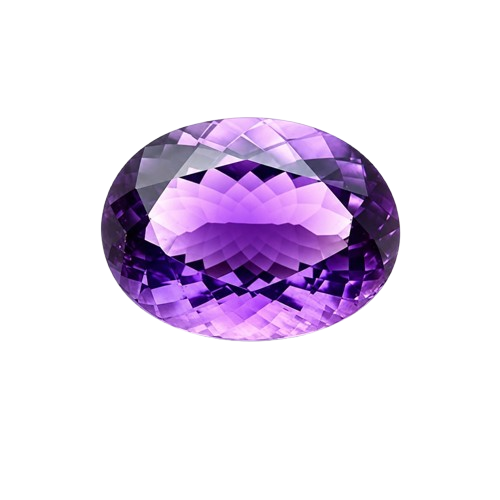
Amethyst is a beautiful purple variety of quartz admired for its violet, lavender and deep royal-purple shades. Its attractive colour, natural crystal structure and versatility make it one of the most popular gemstones for jewellery and gemstone collections. Amethyst can range from delicate pale lilac to rich, saturated purple, sometimes with subtle reddish or bluish tones.
Amethyst is used in rings, pendants, earrings, bracelets, malas and decorative gemstone pieces. Its elegant colour complements both traditional Indian jewellery and modern designs, making it a versatile choice for everyday accessories and special occasions.
Amethyst Origin
Amethyst is found in several countries around the world. Important sources include Brazil, Uruguay, Zambia, Madagascar, India and Sri Lanka. Different locations can produce crystals with distinctive shades of purple, clarity and formation.
**Gemstone Type:** Natural mineral gemstone
**Mineral Family:** Quartz
**Chemical Composition:** Silicon dioxide (SiO₂)
**Common Colours:** Light lavender, lilac, violet, purple and deep royal purple
**Hardness:** 7 on the Mohs scale
**Crystal System:** Trigonal
**Transparency:** Transparent to translucent
Brazil and Uruguay are well known for producing amethyst, while Zambia is also recognised for material with rich purple colour. The appearance of an individual stone depends on its source, colour distribution, clarity, cut and any treatments.
Amethyst Properties
Amethyst is valued for its distinctive purple colour, durability and versatility in jewellery.
**Beautiful Purple Colour:** Its shades range from soft lavender to deep violet and royal purple, offering a variety of looks.
**Natural Quartz Gemstone:** Amethyst belongs to the quartz family and has a well-established place in jewellery and gemstone collections.
**Good Everyday Durability:** With a Mohs hardness of 7, Amethyst is suitable for many jewellery designs when handled and stored properly.
**Versatile Jewellery:** It can be fashioned into faceted gemstones, cabochons, beads, pendants and bracelets.
**Distinctive Appearance:** Natural variations in colour zoning, clarity and inclusions can make each stone visually different.
**Traditional Significance:** In some cultural and spiritual traditions, Amethyst is associated with calmness, balance, clarity and inner peace. These associations are traditional beliefs rather than scientifically established effects.
Why Buy Amethyst from Tanishq Gems
What Decides Amethyst Price
The price of Amethyst depends on colour, clarity, cut, size, origin and overall quality.
**Colour:** Rich, attractive purple colour with good saturation and balanced appearance can influence value.
**Clarity:** Eye-clean stones may be more desirable for certain jewellery applications, although preferences vary by cut and design.
**Cut and Polish:** Good cutting, symmetry and finish can improve brilliance and visual appeal.
**Carat Weight:** Larger stones of comparable quality may cost more, although price does not increase uniformly with weight.
**Origin:** Origin may influence market preference, but it should not be treated as a guarantee of quality.
**Treatment and Authenticity:** Amethyst is sometimes heat-treated to alter its colour. Ask the seller about any known treatments and available documentation.
Compare stones by their actual colour, clarity, cut, treatment disclosure and suitability for your intended use rather than weight alone.
How to Care for Amethyst
Amethyst is reasonably durable but can still be scratched, chipped or affected by prolonged exposure to strong heat and sunlight.
**Clean Gently:** Use lukewarm water, mild soap and a soft brush when appropriate. Rinse carefully and dry with a soft cloth.
**Avoid Strong Chemicals:** Keep Amethyst away from harsh cleaners, acids and household chemicals.
**Protect from Heat:** Avoid high temperatures and sudden temperature changes, which may damage the stone or affect its colour.
**Limit Prolonged Direct Sunlight:** Extended exposure to intense sunlight may cause fading in some Amethyst specimens.
**Store Separately:** Keep it away from harder gemstones, such as diamonds and sapphires, that may scratch its surface.
**Wear with Care:** Remove Amethyst jewellery before heavy physical work, sports or activities that could cause impact.
Amethyst FAQs
Answers to common customer questions
What is Amethyst gemstone?
Amethyst is a purple variety of quartz known for its lavender, violet and deep purple colours. It is commonly used in jewellery, gemstone bracelets, pendants and collections.
Where does Amethyst come from?
Amethyst is found in countries including Brazil, Uruguay, Zambia, Madagascar, India and Sri Lanka. Its colour and clarity can vary depending on the deposit and individual stone.
What is the hardness of Amethyst?
Amethyst has a hardness of 7 on the Mohs scale. It is suitable for many jewellery designs, but care is still needed to avoid chips, scratches and impact damage.
What colours does Amethyst come in?
Amethyst ranges from pale lavender and lilac to violet and deep purple. Some stones may show reddish or bluish undertones and uneven natural colour zoning.
How can I identify genuine Amethyst?
Colour and appearance alone cannot always establish authenticity. For valuable purchases, buy from a reputable gemstone seller and ask for treatment disclosure or suitable gemological documentation when needed.
Is Amethyst suitable for everyday wear?
Yes, Amethyst can be suitable for regular wear when properly set and cared for. Avoid hard impacts, harsh chemicals and prolonged exposure to strong heat or sunlight.
How should I clean an Amethyst gemstone?
Clean it gently with lukewarm water, mild soap and a soft brush when appropriate. Avoid harsh chemicals, high heat and sudden temperature changes.
What is Amethyst traditionally believed to represent?
In various spiritual traditions, Amethyst is associated with calmness, clarity, balance and inner peace. These are traditional beliefs and should not be considered scientifically proven health benefits.