
Tiger Eye
[TG_GEMSTONE]
[TG_INTRO]
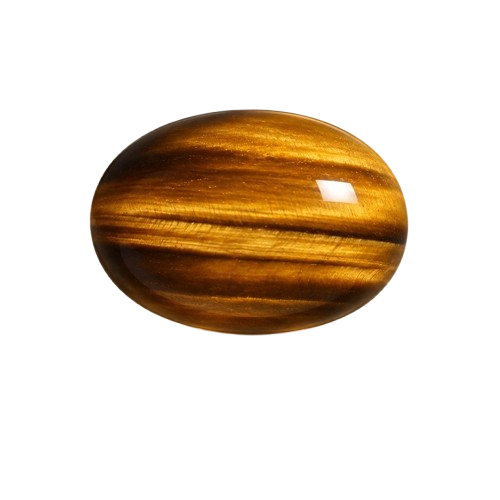
Tiger Eye is a striking ornamental gemstone known for its golden-brown colour, silky lustre and distinctive moving band of light called chatoyancy. Its alternating brown, golden-yellow and dark bands create an appearance reminiscent of a tiger’s eye. Popular in bracelets, beads, rings, pendants and men’s jewellery, Tiger Eye offers a bold, earthy look that pairs well with both casual and traditional styles. In crystal traditions, it is often associated with courage, confidence, focus and protection.
[/TG_INTRO]
[TG_ORIGIN]
Tiger Eye is found in several parts of the world, including South Africa, Australia, India, Namibia and Thailand. South Africa is particularly well known for its Tiger Eye deposits. The gemstone forms through geological processes involving fibrous quartz and iron-rich minerals, producing its characteristic bands and reflective effect. Colours can range from golden yellow and honey brown to reddish brown and deep brown, depending on the specimen and any treatments applied.
[/TG_ORIGIN]
[TG_PROPERTIES]
Gemstone Name: Tiger Eye (Tiger’s Eye)
Mineral Family: Quartz
Chemical Composition: Silicon dioxide (SiO₂), with characteristic mineral inclusions
Available Colours: Golden brown, honey yellow, reddish brown and dark brown
Mohs Hardness: Approximately 6.5–7
Lustre: Silky to vitreous
Transparency: Usually opaque
Distinctive Feature: Chatoyancy, a moving band of reflected light
Common Cuts: Cabochon, oval, round, bead, cushion and freeform cuts
Common Uses: Bracelets, rings, pendants, necklaces, beads and decorative carvings
Popular Association: Courage, confidence, focus and protection in traditional crystal beliefs
Care Level: Generally suitable for jewellery but should be protected from hard impacts and harsh chemicals.
[/TG_PROPERTIES]
[TG_WHY_BUY]
Distinctive golden-brown bands create a bold, natural appearance
Silky chatoyancy adds visual depth and character to the gemstone
Popular choice for men’s bracelets, necklaces and everyday accessories
Complements silver, gold-toned and oxidised metal settings
Mohs hardness of approximately 6.5–7 makes it suitable for many jewellery designs
Available in polished beads, cabochons and decorative gemstone pieces
A thoughtful gift for gemstone enthusiasts who appreciate earthy colours
[/TG_WHY_BUY]
[TG_PRICE]
The price of Tiger Eye depends on its colour, banding, chatoyancy, polish, size, cut and overall quality. Stones with attractive golden-brown bands and a clear, well-defined moving light effect may be more desirable. Bead bracelets and tumbled stones are generally available in a wide range of prices, while larger or finely crafted pieces may cost more. Red Tiger Eye and other colour variations may sometimes be heat-treated or dyed, so buyers should ask about treatments when purchasing.
[/TG_PRICE]
[TG_CARE]
Clean Tiger Eye with lukewarm water, mild soap and a soft cloth or brush. Rinse gently and dry thoroughly before storing. Avoid harsh chemicals, abrasive cleaners and sudden temperature changes. Although Tiger Eye is relatively durable, it can still chip or scratch if struck against a hard surface. Remove bracelets before strenuous activities and store the gemstone separately from harder jewellery. Avoid ultrasonic or steam cleaning unless a qualified jeweller confirms it is suitable for the particular stone and setting.
[/TG_CARE]
[TG_FAQ question=”1. What is Tiger Eye gemstone?”]
Tiger Eye is a quartz gemstone recognised by its golden-brown bands and silky, moving reflection of light. It is widely used in bracelets, beads, pendants, rings and decorative gemstone items.
[/TG_FAQ]
[TG_FAQ question=”2. What causes the shine in Tiger Eye?”]
The distinctive moving band of light is called chatoyancy. It results from the reflection of light by the stone’s aligned fibrous structures and mineral inclusions, creating a silky, eye-like effect.
[/TG_FAQ]
[TG_FAQ question=”3. Where is Tiger Eye found?”]
Tiger Eye is found in regions including South Africa, Australia, India, Namibia and Thailand. South Africa is one of its best-known sources.
[/TG_FAQ]
[TG_FAQ question=”4. What does Tiger Eye traditionally symbolise?”]
In traditional crystal beliefs, Tiger Eye is associated with courage, confidence, focus and protection. These are symbolic or spiritual associations rather than scientifically established effects.
[/TG_FAQ]
[TG_FAQ question=”5. Is Tiger Eye suitable for everyday wear?”]
Yes. With a Mohs hardness of approximately 6.5–7, Tiger Eye is suitable for many everyday jewellery designs. However, it should be protected from hard impacts, scratches and harsh chemicals.
[/TG_FAQ]
[TG_FAQ question=”6. Are all Tiger Eye stones golden brown?”]
No. Tiger Eye is commonly golden brown, but reddish-brown, darker brown and other colour variations are also available. Some red or unusually vivid colours may result from treatment, so ask the seller about any enhancements.
[/TG_FAQ]
[TG_FAQ question=”7. How should I clean a Tiger Eye bracelet?”]
Use lukewarm water, mild soap and a soft cloth. Dry the beads thoroughly and avoid harsh chemicals, abrasive materials and prolonged exposure to water, especially if the bracelet contains elastic or metal fittings.
[/TG_FAQ]
[TG_FAQ question=”8. Is Tiger Eye a good gift?”]
Yes. Its distinctive bands and earthy colours make Tiger Eye a popular gift for birthdays, anniversaries and special occasions, particularly for people who enjoy natural gemstone jewellery and bracelets.
[/TG_FAQ]
Showing the single result
Tiger Eye
Tiger Eye is a striking ornamental gemstone known for its golden-brown colour, silky lustre and distinctive moving band of light called chatoyancy. Its alternating brown, golden-yellow and dark bands create an appearance reminiscent of a tiger's eye. Popular in bracelets, beads, rings, pendants and men's jewellery, Tiger Eye offers a bold, earthy look that pairs well with both casual and traditional styles. In crystal traditions, it is often associated with courage, confidence, focus and protection.
Tiger Eye Origin
Tiger Eye is found in several parts of the world, including South Africa, Australia, India, Namibia and Thailand. South Africa is particularly well known for its Tiger Eye deposits. The gemstone forms through geological processes involving fibrous quartz and iron-rich minerals, producing its characteristic bands and reflective effect. Colours can range from golden yellow and honey brown to reddish brown and deep brown, depending on the specimen and any treatments applied.
Tiger Eye Properties
Gemstone Name: Tiger Eye (Tiger's Eye)
Mineral Family: Quartz
Chemical Composition: Silicon dioxide (SiO₂), with characteristic mineral inclusions
Available Colours: Golden brown, honey yellow, reddish brown and dark brown
Mohs Hardness: Approximately 6.5–7
Lustre: Silky to vitreous
Transparency: Usually opaque
Distinctive Feature: Chatoyancy, a moving band of reflected light
Common Cuts: Cabochon, oval, round, bead, cushion and freeform cuts
Common Uses: Bracelets, rings, pendants, necklaces, beads and decorative carvings
Popular Association: Courage, confidence, focus and protection in traditional crystal beliefs
Care Level: Generally suitable for jewellery but should be protected from hard impacts and harsh chemicals.
Why Buy Tiger Eye from Tanishq Gems
What Decides Tiger Eye Price
The price of Tiger Eye depends on its colour, banding, chatoyancy, polish, size, cut and overall quality. Stones with attractive golden-brown bands and a clear, well-defined moving light effect may be more desirable. Bead bracelets and tumbled stones are generally available in a wide range of prices, while larger or finely crafted pieces may cost more. Red Tiger Eye and other colour variations may sometimes be heat-treated or dyed, so buyers should ask about treatments when purchasing.
How to Care for Tiger Eye
Clean Tiger Eye with lukewarm water, mild soap and a soft cloth or brush. Rinse gently and dry thoroughly before storing. Avoid harsh chemicals, abrasive cleaners and sudden temperature changes. Although Tiger Eye is relatively durable, it can still chip or scratch if struck against a hard surface. Remove bracelets before strenuous activities and store the gemstone separately from harder jewellery. Avoid ultrasonic or steam cleaning unless a qualified jeweller confirms it is suitable for the particular stone and setting.
Tiger Eye FAQs
Answers to common customer questions
1. What is Tiger Eye gemstone?
Tiger Eye is a quartz gemstone recognised by its golden-brown bands and silky, moving reflection of light. It is widely used in bracelets, beads, pendants, rings and decorative gemstone items.
2. What causes the shine in Tiger Eye?
The distinctive moving band of light is called chatoyancy. It results from the reflection of light by the stone's aligned fibrous structures and mineral inclusions, creating a silky, eye-like effect.
3. Where is Tiger Eye found?
Tiger Eye is found in regions including South Africa, Australia, India, Namibia and Thailand. South Africa is one of its best-known sources.
4. What does Tiger Eye traditionally symbolise?
In traditional crystal beliefs, Tiger Eye is associated with courage, confidence, focus and protection. These are symbolic or spiritual associations rather than scientifically established effects.
5. Is Tiger Eye suitable for everyday wear?
Yes. With a Mohs hardness of approximately 6.5–7, Tiger Eye is suitable for many everyday jewellery designs. However, it should be protected from hard impacts, scratches and harsh chemicals.
6. Are all Tiger Eye stones golden brown?
No. Tiger Eye is commonly golden brown, but reddish-brown, darker brown and other colour variations are also available. Some red or unusually vivid colours may result from treatment, so ask the seller about any enhancements.
7. How should I clean a Tiger Eye bracelet?
Use lukewarm water, mild soap and a soft cloth. Dry the beads thoroughly and avoid harsh chemicals, abrasive materials and prolonged exposure to water, especially if the bracelet contains elastic or metal fittings.
8. Is Tiger Eye a good gift?
Yes. Its distinctive bands and earthy colours make Tiger Eye a popular gift for birthdays, anniversaries and special occasions, particularly for people who enjoy natural gemstone jewellery and bracelets.